IJERPH, Vol. 21, Pages 510: A Co-Created Assessment Framework to Measure Inclusive Health and Wellbeing in a Vulnerable Context in the South of Europe
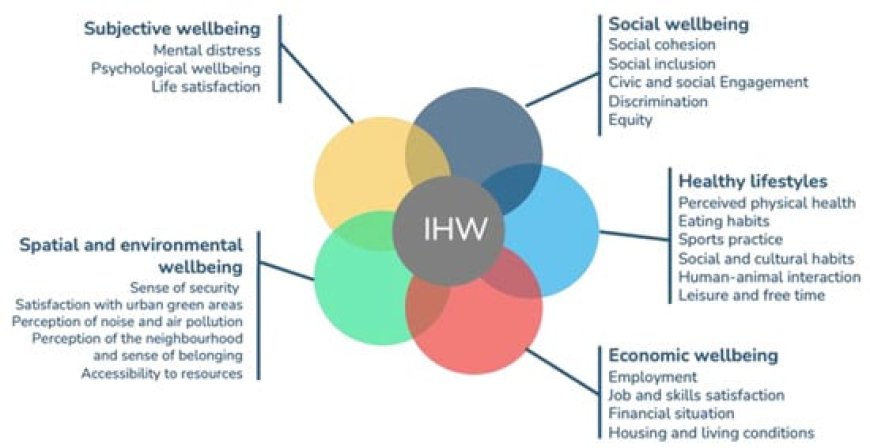
Rapid urbanisation exacerbates health and wellbeing disparities in vulnerable contexts and underscores the imperative need to develop innovative and participatory co-creation approaches to understand and address the specificities of these contexts. This paper presents a method to develop an assessment framework that integrates top-down dimensions with bottom-up perspectives to monitor the impact of inclusive health and wellbeing interventions tailored to the neighbourhood’s needs in Las Palmeras, a vulnerable neighbourhood in Cordoba (Spain). Drawing upon studies in the literature examining urban health and wellbeing trends, it delineates a participatory and inclusive framework, emphasising the need for context-specific indicators and assessment tools. Involving diverse stakeholders, including residents and professionals, it enriches the process and identifies key indicators and assessment methods. This approach provides valuable insights for managing innovative solutions, aligning them with local expectations, and measuring their impact. It contributes to the discourse on inclusive urban health by advocating for participatory, context-specific strategies and interdisciplinary collaboration. While not universally applicable, the framework offers a model for health assessment in vulnerable contexts, encouraging further development of community-based tools for promoting inclusive wellbeing.
IJERPH, Vol. 21, Pages 510: A Co-Created Assessment Framework to Measure Inclusive Health and Wellbeing in a Vulnerable Context in the South of Europe
International Journal of Environmental Research and Public Health doi: 10.3390/ijerph21040510
Authors: Isotta Mac Fadden Roberta Cocchioni María Mar Delgado-Serrano
Rapid urbanisation exacerbates health and wellbeing disparities in vulnerable contexts and underscores the imperative need to develop innovative and participatory co-creation approaches to understand and address the specificities of these contexts. This paper presents a method to develop an assessment framework that integrates top-down dimensions with bottom-up perspectives to monitor the impact of inclusive health and wellbeing interventions tailored to the neighbourhood’s needs in Las Palmeras, a vulnerable neighbourhood in Cordoba (Spain). Drawing upon studies in the literature examining urban health and wellbeing trends, it delineates a participatory and inclusive framework, emphasising the need for context-specific indicators and assessment tools. Involving diverse stakeholders, including residents and professionals, it enriches the process and identifies key indicators and assessment methods. This approach provides valuable insights for managing innovative solutions, aligning them with local expectations, and measuring their impact. It contributes to the discourse on inclusive urban health by advocating for participatory, context-specific strategies and interdisciplinary collaboration. While not universally applicable, the framework offers a model for health assessment in vulnerable contexts, encouraging further development of community-based tools for promoting inclusive wellbeing.
What's Your Reaction?