Climate, Vol. 12, Pages 76: Reliability and Exploratory Factor Analysis of a Measure of the Psychological Distance from Climate Change
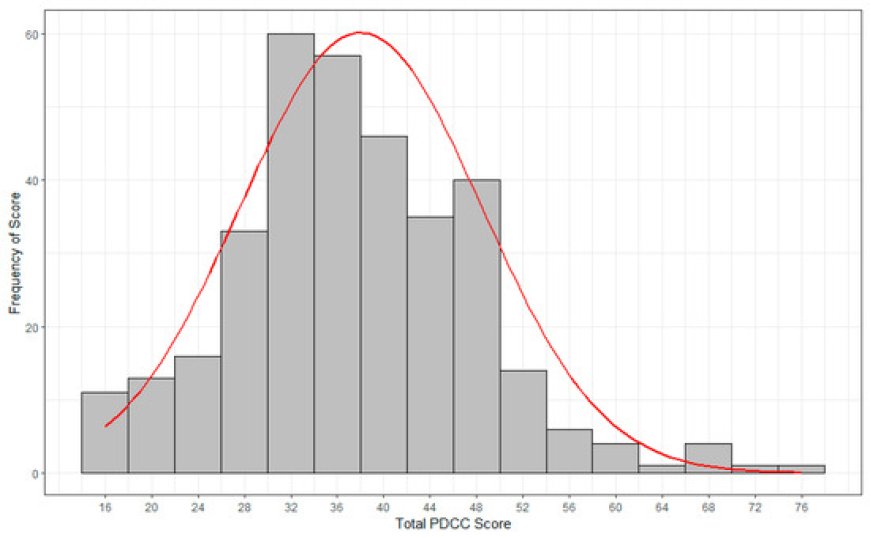
Psychological distance from climate change has emerged as an important construct in understanding sustainable behavior and attempts to mitigate and/or adapt to climate change. Yet, few measures exist to assess this construct and little is known about the properties of the existing measures. In this article, the author conducted two studies of a psychological distance measure developed by Wang and her colleagues. In Study 1, the author assessed the test–retest reliability of the measure over a two-week interval and found the scores to be acceptably stable over time. In Study 2, the author conducted two exploratory factor analyses, using different approaches to the correlation and factor extraction. Similar results were observed for each factor analysis: one factor was related to items that specified greater psychological distance from climate change; a second factor involved items that specified closeness to climate change; and a third involved the geographic/spatial distance from climate change. The author discussed the results and provided recommendations on ways that the measure may be used to research the construct of psychological distance from climate change.
Climate, Vol. 12, Pages 76: Reliability and Exploratory Factor Analysis of a Measure of the Psychological Distance from Climate Change
Climate doi: 10.3390/cli12050076
Authors: Alan E. Stewart
Psychological distance from climate change has emerged as an important construct in understanding sustainable behavior and attempts to mitigate and/or adapt to climate change. Yet, few measures exist to assess this construct and little is known about the properties of the existing measures. In this article, the author conducted two studies of a psychological distance measure developed by Wang and her colleagues. In Study 1, the author assessed the test–retest reliability of the measure over a two-week interval and found the scores to be acceptably stable over time. In Study 2, the author conducted two exploratory factor analyses, using different approaches to the correlation and factor extraction. Similar results were observed for each factor analysis: one factor was related to items that specified greater psychological distance from climate change; a second factor involved items that specified closeness to climate change; and a third involved the geographic/spatial distance from climate change. The author discussed the results and provided recommendations on ways that the measure may be used to research the construct of psychological distance from climate change.
What's Your Reaction?