Climate, Vol. 12, Pages 75: The Machine Learning Attribution of Quasi-Decadal Precipitation and Temperature Extremes in Southeastern Australia during the 1971–2022 Period
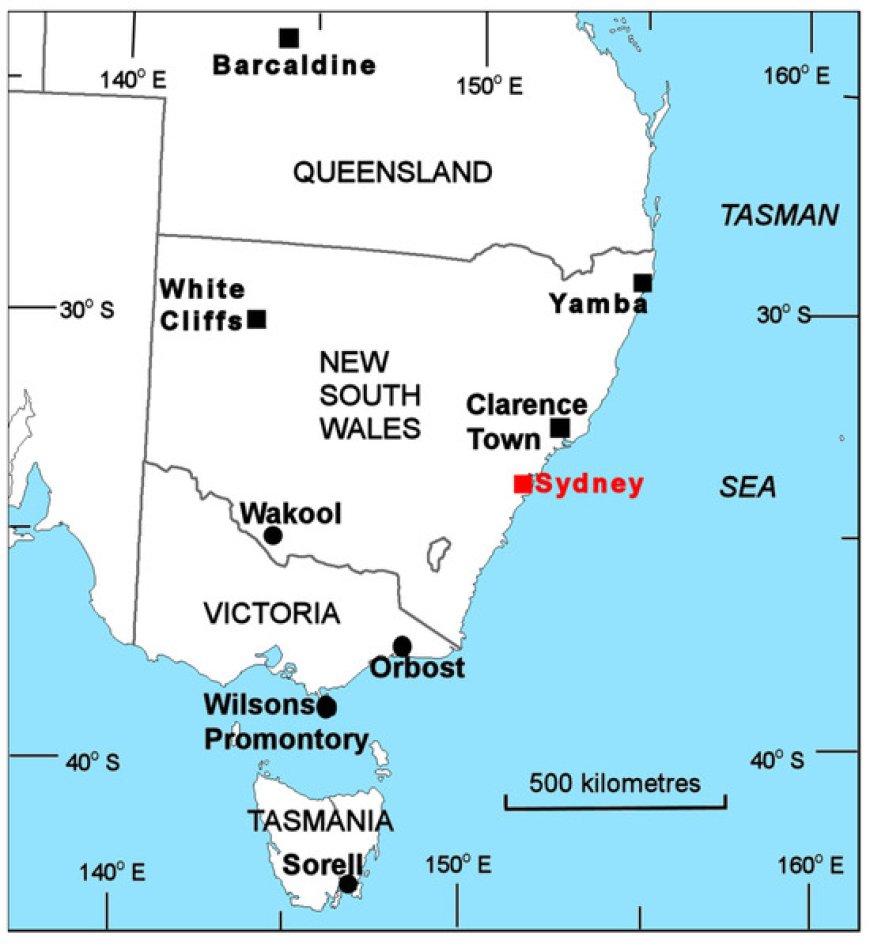
Much of eastern and southeastern Australia (SEAUS) suffered from historic flooding, heat waves, and drought during the quasi-decadal 2010–2022 period, similar to that experienced globally. During the double La Niña of the 2010–2012 period, SEAUS experienced record rainfall totals. Then, severe drought, heat waves, and associated bushfires from 2013 to 2019 affected most of SEAUS, briefly punctuated by record rainfall over parts of inland SEAUS in the late winter/spring of 2016, which was linked to a strong negative Indian Ocean Dipole. Finally, from 2020 to 2022 a rare triple La Niña generated widespread extreme rainfall and flooding in SEAUS, resulting in massive property and environmental damage. To identify the key drivers of the 2010–2022 period’s precipitation and temperature extremes due to accelerated global warming (GW), since the early 1990s, machine learning attribution has been applied to data at eight sites that are representative of SEAUS. Machine learning attribution detection was applied to the 52-year period of 1971–2022 and to the successive 26-year sub-periods of 1971–1996 and 1997–2022. The attributes for the 1997–2022 period, which includes the quasi-decadal period of 2010–2022, revealed key contributors to the extremes of the 2010–2022 period. Finally, some drivers of extreme precipitation and temperature events are linked to significant changes in both global and local tropospheric circulation.
Climate, Vol. 12, Pages 75: The Machine Learning Attribution of Quasi-Decadal Precipitation and Temperature Extremes in Southeastern Australia during the 1971–2022 Period
Climate doi: 10.3390/cli12050075
Authors: Milton Speer Joshua Hartigan Lance Leslie
Much of eastern and southeastern Australia (SEAUS) suffered from historic flooding, heat waves, and drought during the quasi-decadal 2010–2022 period, similar to that experienced globally. During the double La Niña of the 2010–2012 period, SEAUS experienced record rainfall totals. Then, severe drought, heat waves, and associated bushfires from 2013 to 2019 affected most of SEAUS, briefly punctuated by record rainfall over parts of inland SEAUS in the late winter/spring of 2016, which was linked to a strong negative Indian Ocean Dipole. Finally, from 2020 to 2022 a rare triple La Niña generated widespread extreme rainfall and flooding in SEAUS, resulting in massive property and environmental damage. To identify the key drivers of the 2010–2022 period’s precipitation and temperature extremes due to accelerated global warming (GW), since the early 1990s, machine learning attribution has been applied to data at eight sites that are representative of SEAUS. Machine learning attribution detection was applied to the 52-year period of 1971–2022 and to the successive 26-year sub-periods of 1971–1996 and 1997–2022. The attributes for the 1997–2022 period, which includes the quasi-decadal period of 2010–2022, revealed key contributors to the extremes of the 2010–2022 period. Finally, some drivers of extreme precipitation and temperature events are linked to significant changes in both global and local tropospheric circulation.
What's Your Reaction?