Climate, Vol. 11, Pages 230: Temporal Changes in Tourists’ Climate-Based Comfort in the Southeastern Coastal Region of Spain
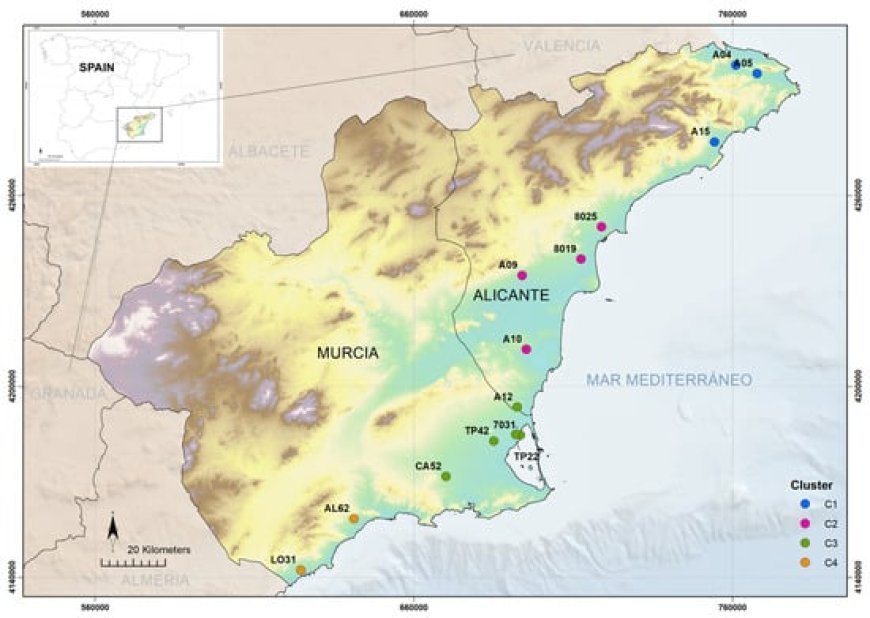
In the context of climate change, where the average temperature has risen in recent decades on the Mediterranean coast of the Iberian Peninsula, bioclimatic indicators show an increase in thermal discomfort. This is especially relevant in regions with a clear focus on mass and seasonal sun and beach tourism, with a large number of tourists experiencing discomfort in hot and humid summer environments. The research analyses the temporal evolution (1967–2022) of the coasts of the provinces of Alicante and Murcia (Spain) using the Climate Comfort Index (CCI), divided into four different regions. Used are 14 coastal meteorological observatories divided into four regions. Trend analysis was performed using the Mann–Kendall (MKT) and Theil–Sen (TSE) tests. The results revealed a loss of climate comfort during the summer season (−0.3 to −0.4/decade), as well as an expansion of the warm period toward June and early September, with an increase of 38.7 days in “hot” thermal comfort. The increase in thermal discomfort in the summer is influenced by an increase in average temperature (0.5 to 0.7 °C/decade) and a reduction in the average relative humidity (−1.0 to −2.1%/decade) and wind speed (−0.2 to −0.9 km/h/decade). In the last 22 years (2000–2022), decreases (p  ≤ 0.05) have been recorded in July and September (−0.2 to −0.4/decade), reaching “excessive heat” climatic comfort thresholds for the first time. Finally, there has been an increase in thermal comfort in winter, especially during December in recent years (2000–2022).
Climate, Vol. 11, Pages 230: Temporal Changes in Tourists’ Climate-Based Comfort in the Southeastern Coastal Region of Spain
Climate doi: 10.3390/cli11110230
Authors: David Espín-Sánchez Jorge Olcina-Cantos Carmelo Conesa-García
In the context of climate change, where the average temperature has risen in recent decades on the Mediterranean coast of the Iberian Peninsula, bioclimatic indicators show an increase in thermal discomfort. This is especially relevant in regions with a clear focus on mass and seasonal sun and beach tourism, with a large number of tourists experiencing discomfort in hot and humid summer environments. The research analyses the temporal evolution (1967–2022) of the coasts of the provinces of Alicante and Murcia (Spain) using the Climate Comfort Index (CCI), divided into four different regions. Used are 14 coastal meteorological observatories divided into four regions. Trend analysis was performed using the Mann–Kendall (MKT) and Theil–Sen (TSE) tests. The results revealed a loss of climate comfort during the summer season (−0.3 to −0.4/decade), as well as an expansion of the warm period toward June and early September, with an increase of 38.7 days in “hot” thermal comfort. The increase in thermal discomfort in the summer is influenced by an increase in average temperature (0.5 to 0.7 °C/decade) and a reduction in the average relative humidity (−1.0 to −2.1%/decade) and wind speed (−0.2 to −0.9 km/h/decade). In the last 22 years (2000–2022), decreases (p  ≤ 0.05) have been recorded in July and September (−0.2 to −0.4/decade), reaching “excessive heat” climatic comfort thresholds for the first time. Finally, there has been an increase in thermal comfort in winter, especially during December in recent years (2000–2022).
What's Your Reaction?