Climate, Vol. 12, Pages 50: Meta-Analysis and Ranking of the Most Effective Methane Reduction Strategies for Australia’s Beef and Dairy Sector
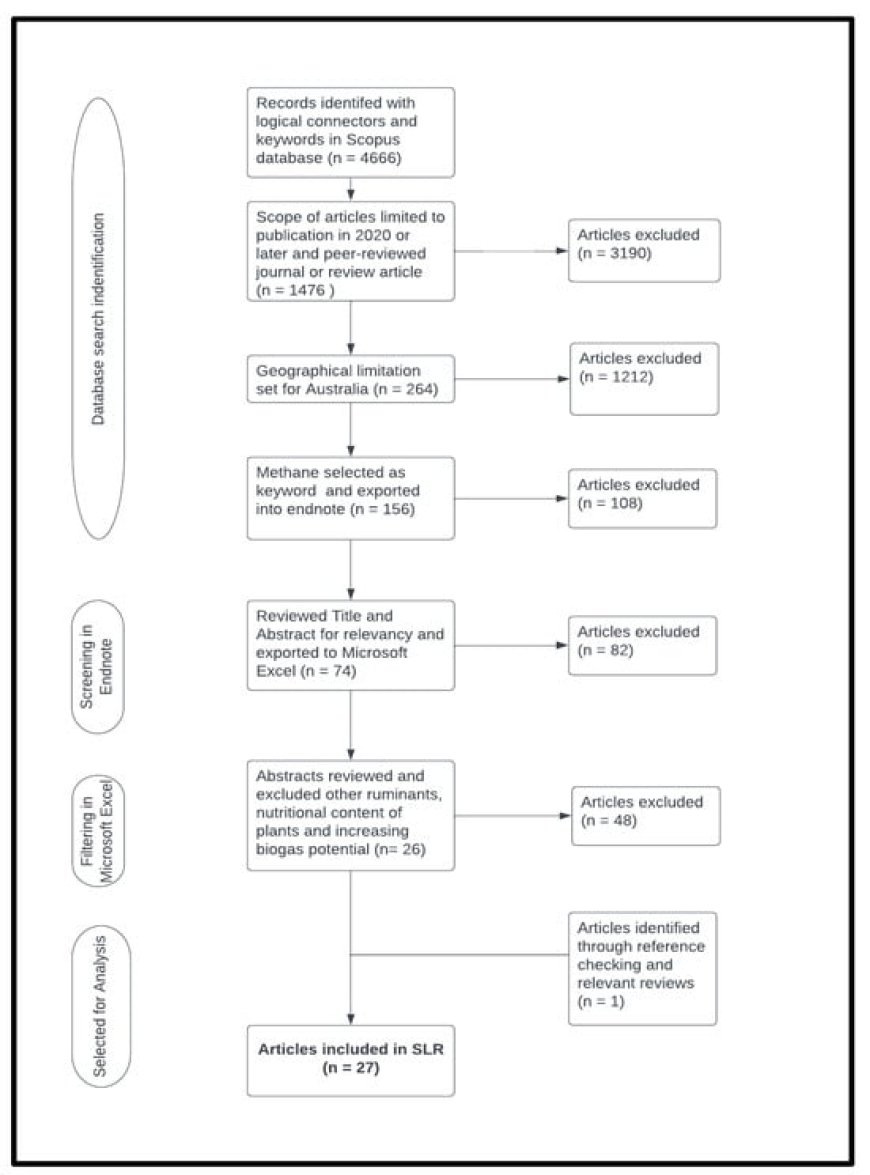
Although Australia remains committed to the Paris Agreement and to reducing its greenhouse gas emissions, it was late in joining the 2021 Global Methane Pledge. Finding suitable methane (CH4) mitigation solutions for Australia’s livestock industry should be part of this journey. Based on a 2020–2023 systematic literature review and multicriteria decision approach, this study analyses the available strategies for the Australian beef and dairy sector under three scenarios: baseline, where all assessment criteria are equally weighted; climate emergency, with a significant emphasis on CH4 reduction for cattle in pasture and feedlot systems; and conservative, where priority is given to reducing costs. In total, 46 strategies from 27 academic publications were identified and classified as ‘Avoid’, ‘Shift’, or ‘Improve’ with respect to their impact on current CH4 emissions. The findings indicate that ‘Avoid’ strategies of conversion of agricultural land to wetlands, salt marshes, and tidal forest are most efficient in the climate emergency scenario, while the ‘Improve’ strategy of including CH4 production in the cattle breeding goals is the best for the conservative and baseline scenarios. A policy mix that encourages a wide range of strategies is required to ensure CH4 emission reductions and make Australia’s livestock industry more sustainable.
Climate, Vol. 12, Pages 50: Meta-Analysis and Ranking of the Most Effective Methane Reduction Strategies for Australia’s Beef and Dairy Sector
Climate doi: 10.3390/cli12040050
Authors: Merideth Kelliher Diana Bogueva Dora Marinova
Although Australia remains committed to the Paris Agreement and to reducing its greenhouse gas emissions, it was late in joining the 2021 Global Methane Pledge. Finding suitable methane (CH4) mitigation solutions for Australia’s livestock industry should be part of this journey. Based on a 2020–2023 systematic literature review and multicriteria decision approach, this study analyses the available strategies for the Australian beef and dairy sector under three scenarios: baseline, where all assessment criteria are equally weighted; climate emergency, with a significant emphasis on CH4 reduction for cattle in pasture and feedlot systems; and conservative, where priority is given to reducing costs. In total, 46 strategies from 27 academic publications were identified and classified as ‘Avoid’, ‘Shift’, or ‘Improve’ with respect to their impact on current CH4 emissions. The findings indicate that ‘Avoid’ strategies of conversion of agricultural land to wetlands, salt marshes, and tidal forest are most efficient in the climate emergency scenario, while the ‘Improve’ strategy of including CH4 production in the cattle breeding goals is the best for the conservative and baseline scenarios. A policy mix that encourages a wide range of strategies is required to ensure CH4 emission reductions and make Australia’s livestock industry more sustainable.
What's Your Reaction?