CivilEng, Vol. 5, Pages 378-394: Railroad Infrastructure Management: A Novel Tool for Automatic Interpretation of GPR Imaging to Minimize Human Intervention in Railroad Inspection
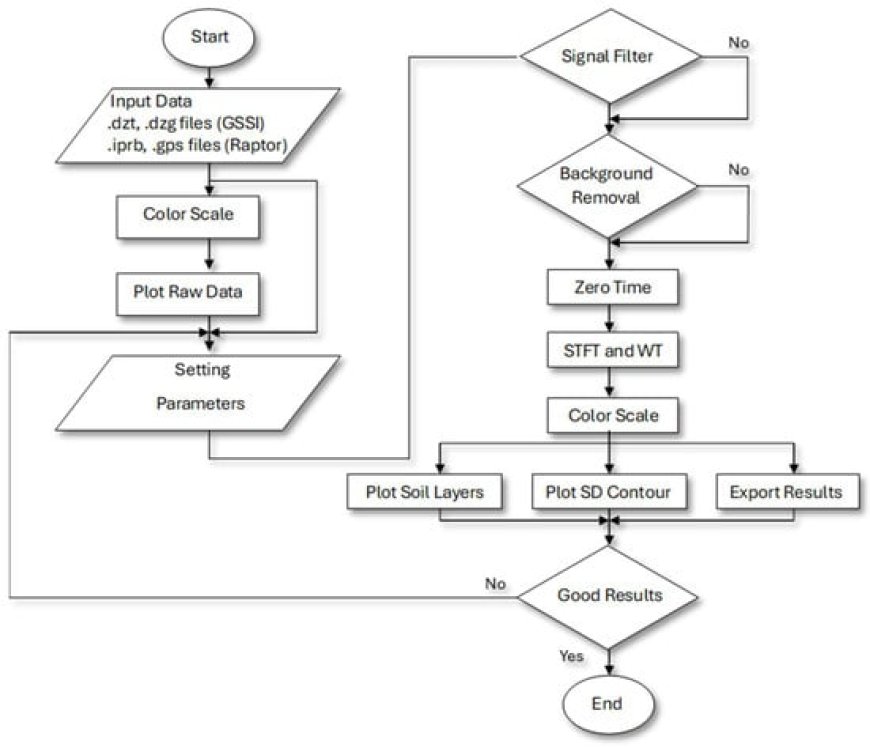
Regular monitoring and inspection of military railroad tracks are necessary to ensure the safe transportation of military freight. Manual railroad inspection has drawbacks and limitations that can impact accuracy and efficiency. This study introduces a novel tool designed to automate Ground Penetrating Radar (GPR) imaging interpretation for railroad ballast condition assessment, aiming to reduce human intervention in inspections. The tool uses advanced signal processing techniques, such as the Short-Time Fourier Transform (STFT) and Wavelet Transform (WT), to quantify ballast fouling levels accurately, enhancing maintenance and safety protocols for railroad tracks. Validation through comprehensive testing, including two case studies, demonstrates the tool’s superior efficacy over traditional manual inspection methods. This research represents a pivotal step towards more efficient and reliable infrastructure management, ensuring critical railroad systems’ safety and operational integrity.
CivilEng, Vol. 5, Pages 378-394: Railroad Infrastructure Management: A Novel Tool for Automatic Interpretation of GPR Imaging to Minimize Human Intervention in Railroad Inspection
CivilEng doi: 10.3390/civileng5020019
Authors: Ammar Alzarrad Caleb Wise Arka Chattopadhyay Sudipta Chowdhury Abby Cisko Jeremy Beasley
Regular monitoring and inspection of military railroad tracks are necessary to ensure the safe transportation of military freight. Manual railroad inspection has drawbacks and limitations that can impact accuracy and efficiency. This study introduces a novel tool designed to automate Ground Penetrating Radar (GPR) imaging interpretation for railroad ballast condition assessment, aiming to reduce human intervention in inspections. The tool uses advanced signal processing techniques, such as the Short-Time Fourier Transform (STFT) and Wavelet Transform (WT), to quantify ballast fouling levels accurately, enhancing maintenance and safety protocols for railroad tracks. Validation through comprehensive testing, including two case studies, demonstrates the tool’s superior efficacy over traditional manual inspection methods. This research represents a pivotal step towards more efficient and reliable infrastructure management, ensuring critical railroad systems’ safety and operational integrity.
What's Your Reaction?