AI, Vol. 4, Pages 1010-1022: Chat GPT in Diagnostic Human Pathology: Will It Be Useful to Pathologists? A Preliminary Review with ‘Query Session’ and Future Perspectives
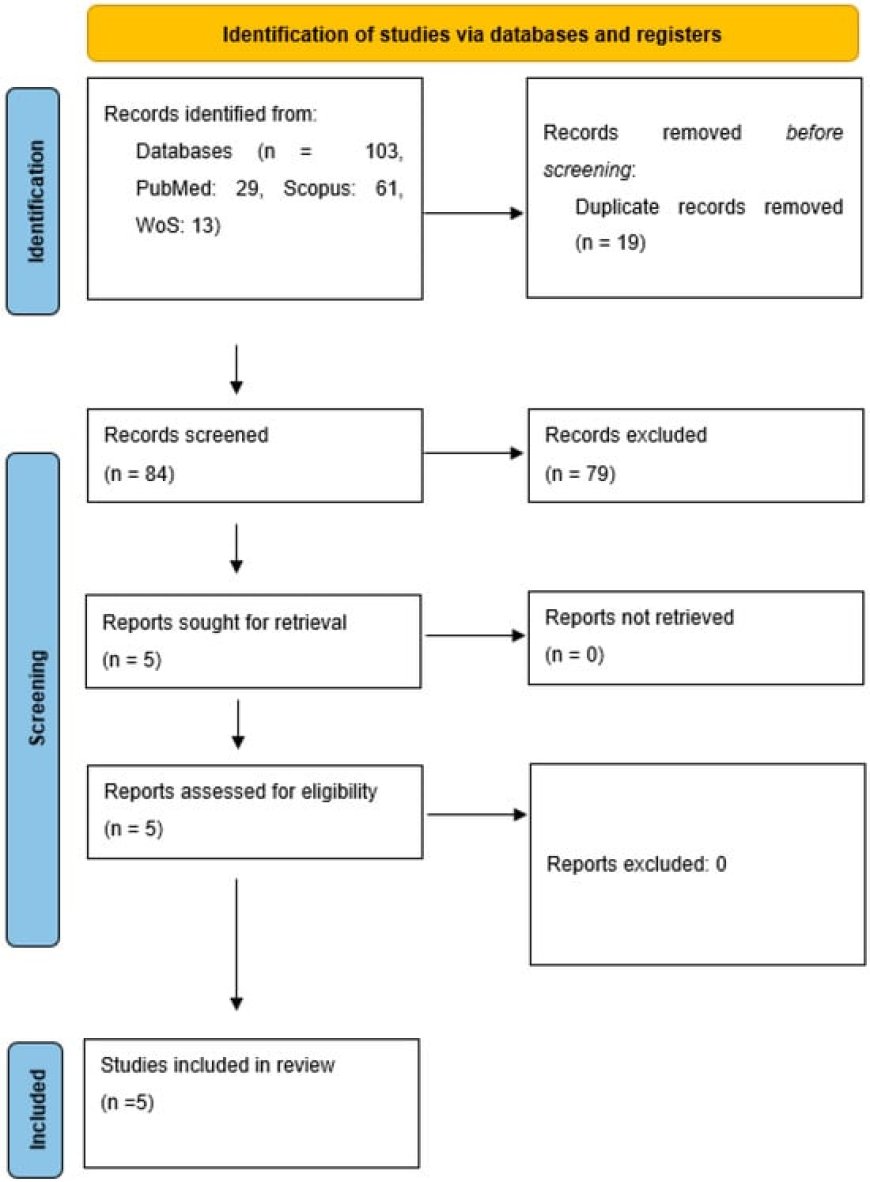
The advent of Artificial Intelligence (AI) has in just a few years supplied multiple areas of knowledge, including in the medical and scientific fields. An increasing number of AI-based applications have been developed, among which conversational AI has emerged. Regarding the latter, ChatGPT has risen to the headlines, scientific and otherwise, for its distinct propensity to simulate a ‘real’ discussion with its interlocutor, based on appropriate prompts. Although several clinical studies using ChatGPT have already been published in the literature, very little has yet been written about its potential application in human pathology. We conduct a systematic review following the Preferred Reporting Items for Systematic Reviews and Meta-Analyses (PRISMA) guidelines, using PubMed, Scopus and the Web of Science (WoS) as databases, with the following keywords: ChatGPT OR Chat GPT, in combination with each of the following: pathology, diagnostic pathology, anatomic pathology, before 31 July 2023. A total of 103 records were initially identified in the literature search, of which 19 were duplicates. After screening for eligibility and inclusion criteria, only five publications were ultimately included. The majority of publications were original articles (n = 2), followed by a case report (n = 1), letter to the editor (n = 1) and review (n = 1). Furthermore, we performed a ‘query session’ with ChatGPT regarding pathologies such as pigmented skin lesions, malignant melanoma and variants, Gleason’s score of prostate adenocarcinoma, differential diagnosis between germ cell tumors and high grade serous carcinoma of the ovary, pleural mesothelioma and pediatric diffuse midline glioma. Although the premises are exciting and ChatGPT is able to co-advise the pathologist in providing large amounts of scientific data for use in routine microscopic diagnostic practice, there are many limitations (such as data of training, amount of data available, ‘hallucination’ phenomena) that need to be addressed and resolved, with the caveat that an AI-driven system should always provide support and never a decision-making motive during the histopathological diagnostic process.
AI, Vol. 4, Pages 1010-1022: Chat GPT in Diagnostic Human Pathology: Will It Be Useful to Pathologists? A Preliminary Review with ‘Query Session’ and Future Perspectives
Authors: Gerardo Cazzato Marialessandra Capuzzolo Paola Parente Francesca Arezzo Vera Loizzi Enrica Macorano Andrea Marzullo Gennaro Cormio Giuseppe Ingravallo
The advent of Artificial Intelligence (AI) has in just a few years supplied multiple areas of knowledge, including in the medical and scientific fields. An increasing number of AI-based applications have been developed, among which conversational AI has emerged. Regarding the latter, ChatGPT has risen to the headlines, scientific and otherwise, for its distinct propensity to simulate a ‘real’ discussion with its interlocutor, based on appropriate prompts. Although several clinical studies using ChatGPT have already been published in the literature, very little has yet been written about its potential application in human pathology. We conduct a systematic review following the Preferred Reporting Items for Systematic Reviews and Meta-Analyses (PRISMA) guidelines, using PubMed, Scopus and the Web of Science (WoS) as databases, with the following keywords: ChatGPT OR Chat GPT, in combination with each of the following: pathology, diagnostic pathology, anatomic pathology, before 31 July 2023. A total of 103 records were initially identified in the literature search, of which 19 were duplicates. After screening for eligibility and inclusion criteria, only five publications were ultimately included. The majority of publications were original articles (n = 2), followed by a case report (n = 1), letter to the editor (n = 1) and review (n = 1). Furthermore, we performed a ‘query session’ with ChatGPT regarding pathologies such as pigmented skin lesions, malignant melanoma and variants, Gleason’s score of prostate adenocarcinoma, differential diagnosis between germ cell tumors and high grade serous carcinoma of the ovary, pleural mesothelioma and pediatric diffuse midline glioma. Although the premises are exciting and ChatGPT is able to co-advise the pathologist in providing large amounts of scientific data for use in routine microscopic diagnostic practice, there are many limitations (such as data of training, amount of data available, ‘hallucination’ phenomena) that need to be addressed and resolved, with the caveat that an AI-driven system should always provide support and never a decision-making motive during the histopathological diagnostic process.
What's Your Reaction?