Water, Vol. 16, Pages 1216: Recent Issues and Challenges in the Study of Inland Waters
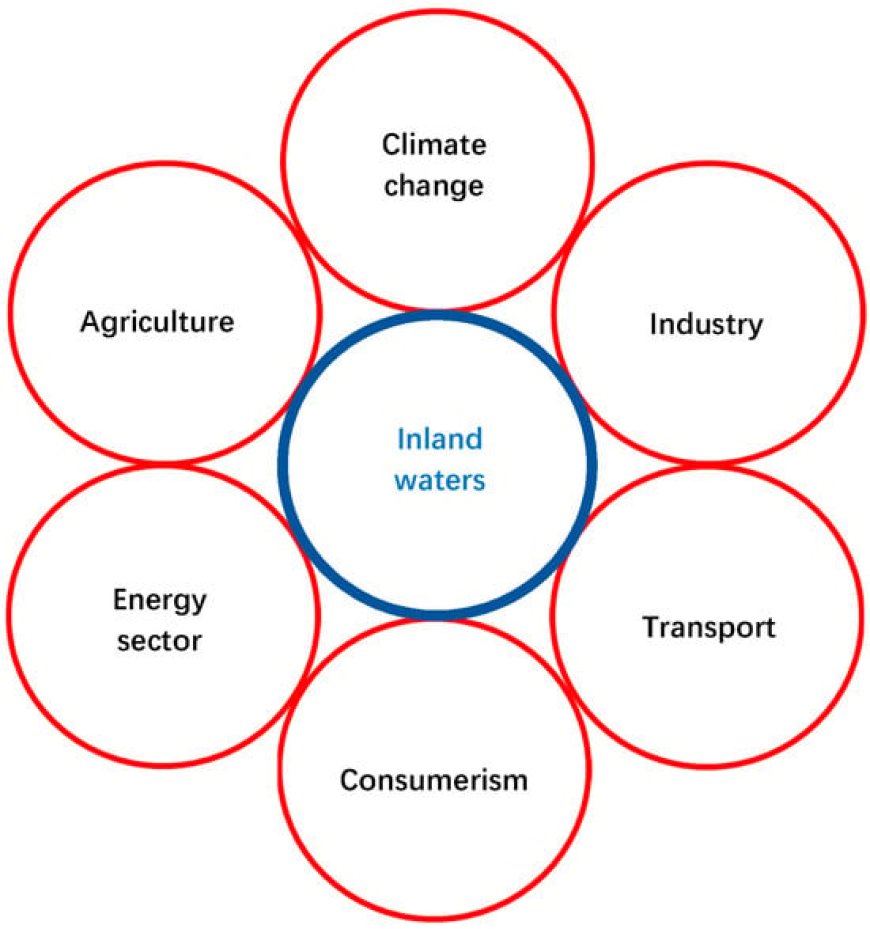
This paper addresses several important problems and methods related to studies of inland waters based on the existing scientific literature. The use of UAVs in freshwater monitoring is described, including recent contact and non-contact solutions. Due to a decline in biological diversity in many parts of the globe, the main threats are described together with a modern method for algae and cyanobacteria monitoring utilizing chlorophyll a fluorescence. Observed disturbances in the functioning of river biocenoses related to mine waters’ discharge, causing changes in the physico-chemical parameters of waters and sediments, give rise to the need to develop more accurate methods for the assessment of this phenomenon. Important problems occurring in the context of microplastic detection, including the lack of unification, standardization and repeatability of the methods used, were described. In conclusion, accurate results in the monitoring of water quality parameters of inland waters can be achieved by combining modern methods and using non-contact solutions.
Water, Vol. 16, Pages 1216: Recent Issues and Challenges in the Study of Inland Waters
Water doi: 10.3390/w16091216
Authors: Ryszard Staniszewski Beata Messyasz Piotr Dąbrowski Pawel Burdziakowski Marcin Spychała
This paper addresses several important problems and methods related to studies of inland waters based on the existing scientific literature. The use of UAVs in freshwater monitoring is described, including recent contact and non-contact solutions. Due to a decline in biological diversity in many parts of the globe, the main threats are described together with a modern method for algae and cyanobacteria monitoring utilizing chlorophyll a fluorescence. Observed disturbances in the functioning of river biocenoses related to mine waters’ discharge, causing changes in the physico-chemical parameters of waters and sediments, give rise to the need to develop more accurate methods for the assessment of this phenomenon. Important problems occurring in the context of microplastic detection, including the lack of unification, standardization and repeatability of the methods used, were described. In conclusion, accurate results in the monitoring of water quality parameters of inland waters can be achieved by combining modern methods and using non-contact solutions.
What's Your Reaction?