Water, Vol. 16, Pages 1110: Approach and Permanent Human Occupation of Mainland Portugal Coastal Zone (1096–2021)
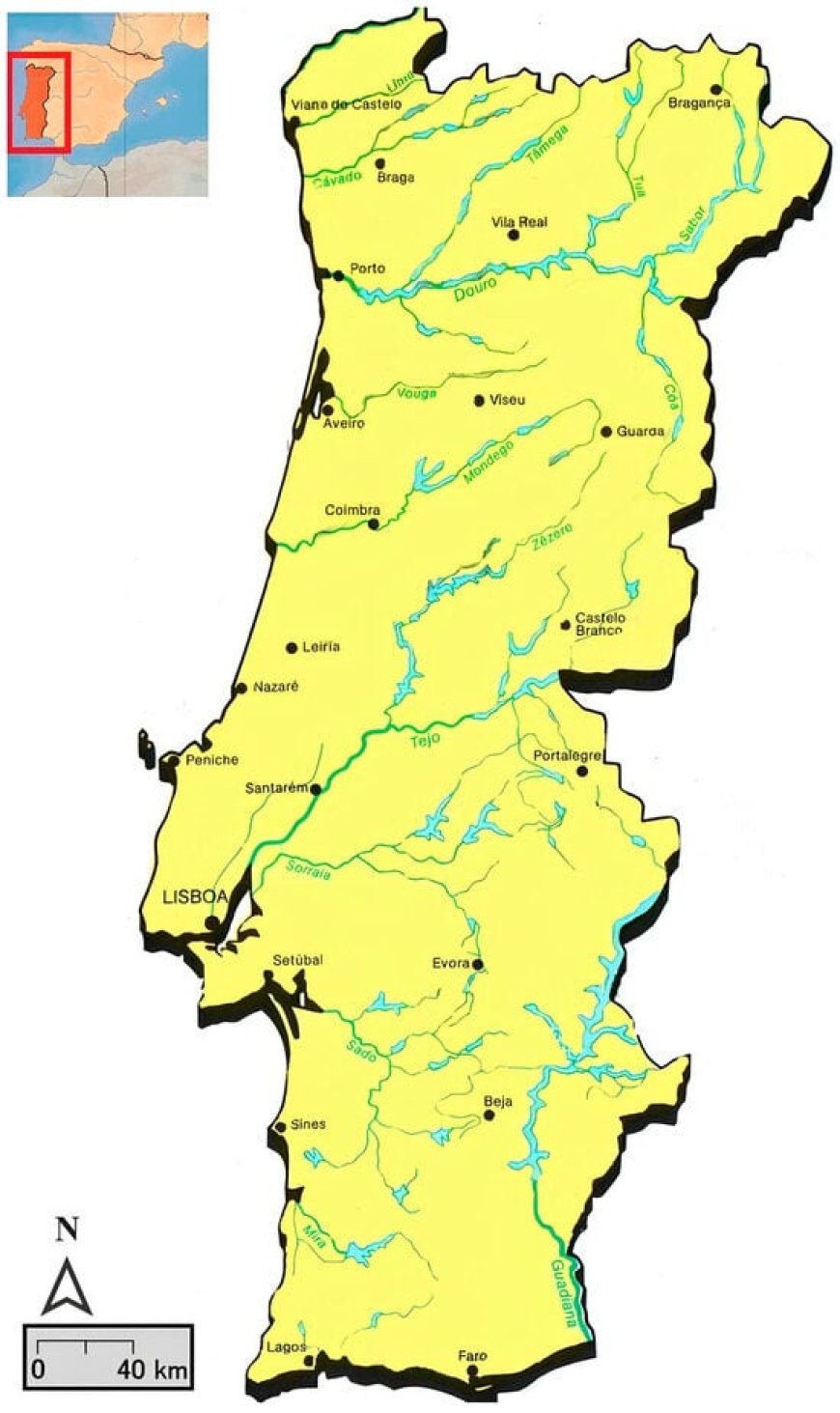
This paper aims to enhance the understanding of the littoralization process in mainland Portugal over a broad chronological framework. Littoralization is defined as the occupation and settlement of human communities along the coast. In this case, the analysis was based on the synchronic analysis of three chronologies: from the formation of Portugal to the settlement of the fountains (1096–1325); at the dawn of modernity, marked by the Portuguese expansion (1500–1524), with the first scientific census (1860); and in the present, with data from the last census (2021). The choice of chronology was dictated by the historical sources available and allowed us to check the trend of population dispersion both in terms of latitude and longitude, the latter being the analysis of the distance of the main population centers (counties) from the coast. In the first chronological segment, there is a “safety distance” from the exposed coastlines, which is gradually blurred over time until there is an impressive coastal demographic concentration in 2021, with around 80% of people settled within 50 km of the sea. So, the management of Portugal’s territory is an unequivocal indicator of the Anthropocene even with the risks of the disappearance of some beaches.
Water, Vol. 16, Pages 1110: Approach and Permanent Human Occupation of Mainland Portugal Coastal Zone (1096–2021)
Water doi: 10.3390/w16081110
Authors: Maria Rosário Bastos Olegário Nelson Azevedo Pereira Antero Ferreira Filipe Salgado Sérgio Lira João Alveirinho Dias
This paper aims to enhance the understanding of the littoralization process in mainland Portugal over a broad chronological framework. Littoralization is defined as the occupation and settlement of human communities along the coast. In this case, the analysis was based on the synchronic analysis of three chronologies: from the formation of Portugal to the settlement of the fountains (1096–1325); at the dawn of modernity, marked by the Portuguese expansion (1500–1524), with the first scientific census (1860); and in the present, with data from the last census (2021). The choice of chronology was dictated by the historical sources available and allowed us to check the trend of population dispersion both in terms of latitude and longitude, the latter being the analysis of the distance of the main population centers (counties) from the coast. In the first chronological segment, there is a “safety distance” from the exposed coastlines, which is gradually blurred over time until there is an impressive coastal demographic concentration in 2021, with around 80% of people settled within 50 km of the sea. So, the management of Portugal’s territory is an unequivocal indicator of the Anthropocene even with the risks of the disappearance of some beaches.
What's Your Reaction?