IJERPH, Vol. 21, Pages 484: Insights into the Impact of Organizational Factors and Burnout on the Employees of a For-Profit Psychiatric Hospital during the Third Wave of the COVID-19 Pandemic
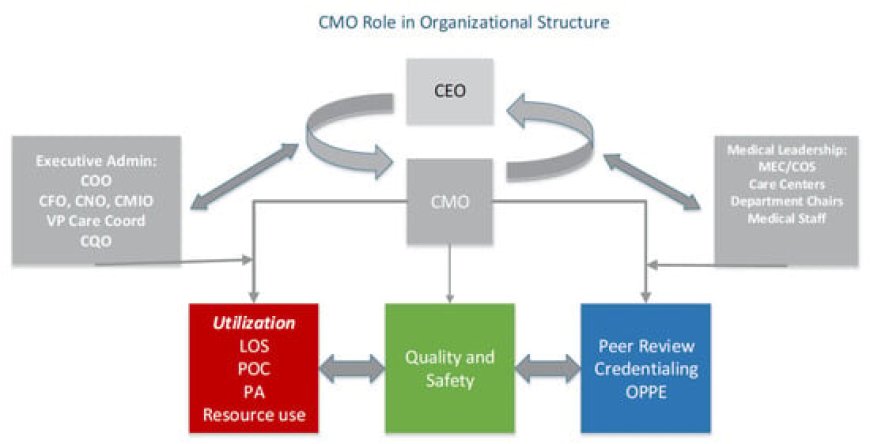
In this paper, we provide insights into the interplay among the organizational, job, and attitudinal factors and employees’ intentions to resign during the third wave of the COVID-19 pandemic at a mental health hospital. We point out shortcomings in the relationship dynamics between executive administration and operational staff and propose a pathway to develop more effective leadership frameworks to increase job satisfaction. We integrate qualitative data from case information and open-ended questions posed to employees at a mental health hospital and quantitative data from a small-scale survey (n = 19). We highlight that the ability to achieve objectives, work autonomy, burnout, affective commitment, distributive and procedural justice, and job satisfaction are critical in determining individuals’ intentions to resign. Individuals identified disconnectedness and moral distress as critical aspects, while highlighting empathy, compassion, satisfaction, and confidence as pivotal elements. Mental healthcare settings could benefit from enhancing the staff’s ability to achieve objectives, work autonomy, affective commitment, and both distributive and procedural justice. Addressing burnout and implementing measures to increase job satisfaction are equally vital. Efficiently restructuring dynamics between various leadership levels and staff can significantly improve employee retention.
IJERPH, Vol. 21, Pages 484: Insights into the Impact of Organizational Factors and Burnout on the Employees of a For-Profit Psychiatric Hospital during the Third Wave of the COVID-19 Pandemic
International Journal of Environmental Research and Public Health doi: 10.3390/ijerph21040484
Authors: Michael Seyffert Chunyi Wu Gülru F. Özkan-Seely
In this paper, we provide insights into the interplay among the organizational, job, and attitudinal factors and employees’ intentions to resign during the third wave of the COVID-19 pandemic at a mental health hospital. We point out shortcomings in the relationship dynamics between executive administration and operational staff and propose a pathway to develop more effective leadership frameworks to increase job satisfaction. We integrate qualitative data from case information and open-ended questions posed to employees at a mental health hospital and quantitative data from a small-scale survey (n = 19). We highlight that the ability to achieve objectives, work autonomy, burnout, affective commitment, distributive and procedural justice, and job satisfaction are critical in determining individuals’ intentions to resign. Individuals identified disconnectedness and moral distress as critical aspects, while highlighting empathy, compassion, satisfaction, and confidence as pivotal elements. Mental healthcare settings could benefit from enhancing the staff’s ability to achieve objectives, work autonomy, affective commitment, and both distributive and procedural justice. Addressing burnout and implementing measures to increase job satisfaction are equally vital. Efficiently restructuring dynamics between various leadership levels and staff can significantly improve employee retention.
What's Your Reaction?