Water, Vol. 16, Pages 1240: Groundwater Chemical Trends Analyses in the Piedmont Po Plain (NW Italy): Comparison with Groundwater Level Variations (2000–2020)
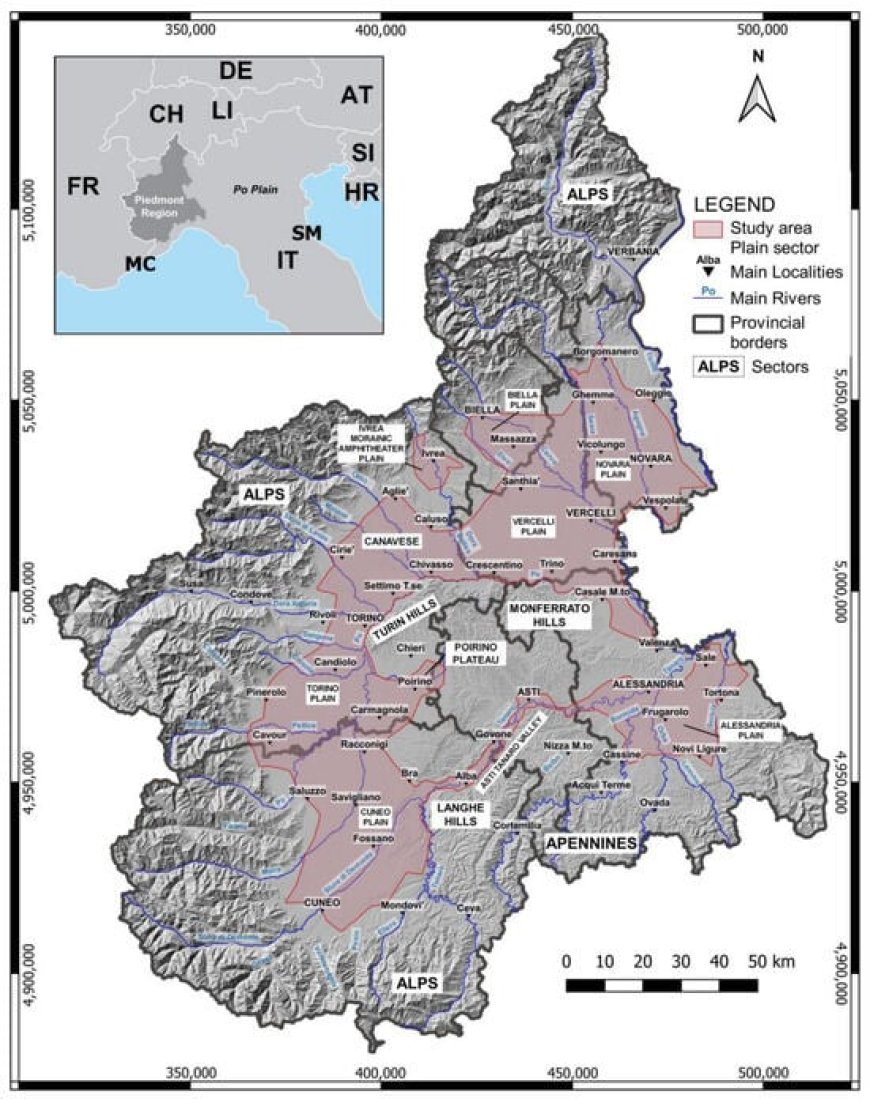
The concentrations of chemicals in the groundwater chemical values in the Piedmont Po Plain (NW Italy) show significant temporal variability and need to be characterised due to the lack of regional-scale assessments. The aim of this study was to analyse the trends (period 2000–2020) in the main physicochemical parameters and main ions in 227 wells in the shallow aquifer and to identify the potential causes. The identification of change points (points of sudden change) and comparisons with groundwater level variations were also performed. Results highlight general increasing trends for Na, Cl and HCO3, decreasing trends for SO4 and NO3, stationary conditions for pH and heterogeneous behaviours for electrolytic conductivity, Ca and Mg. Change points occurred in at least 50% of the monitoring wells, mainly during the 2008–2011 period. The comparison between groundwater levels and chemistry highlights a direct proportionality. Superimposed processes that induce an absence of proportionality are shown. The comparison of results with those of previous studies conducted under similar conditions revealed similar variations.. In conclusion, the potential responsible factors (e.g., road-salt dissolution and agricultural practices) and the relevant role of groundwater level variation were identified.
Water, Vol. 16, Pages 1240: Groundwater Chemical Trends Analyses in the Piedmont Po Plain (NW Italy): Comparison with Groundwater Level Variations (2000–2020)
Water doi: 10.3390/w16091240
Authors: Daniele Cocca Manuela Lasagna Domenico Antonio De Luca
The concentrations of chemicals in the groundwater chemical values in the Piedmont Po Plain (NW Italy) show significant temporal variability and need to be characterised due to the lack of regional-scale assessments. The aim of this study was to analyse the trends (period 2000–2020) in the main physicochemical parameters and main ions in 227 wells in the shallow aquifer and to identify the potential causes. The identification of change points (points of sudden change) and comparisons with groundwater level variations were also performed. Results highlight general increasing trends for Na, Cl and HCO3, decreasing trends for SO4 and NO3, stationary conditions for pH and heterogeneous behaviours for electrolytic conductivity, Ca and Mg. Change points occurred in at least 50% of the monitoring wells, mainly during the 2008–2011 period. The comparison between groundwater levels and chemistry highlights a direct proportionality. Superimposed processes that induce an absence of proportionality are shown. The comparison of results with those of previous studies conducted under similar conditions revealed similar variations.. In conclusion, the potential responsible factors (e.g., road-salt dissolution and agricultural practices) and the relevant role of groundwater level variation were identified.
What's Your Reaction?