IJERPH, Vol. 21, Pages 451: Childhood Maltreatment and Adult Work Absenteeism: Work Meaningfulness as a Double-Edged Sword
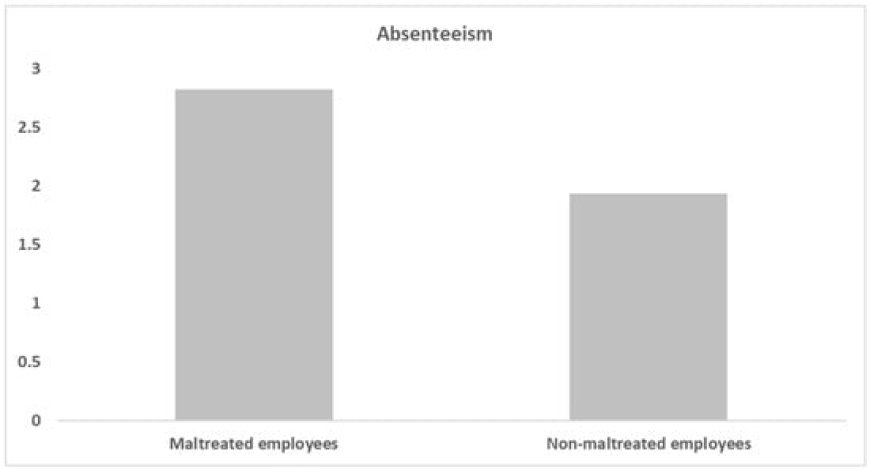
The adverse impacts of childhood maltreatment (CM) on an individual’s health and economic welfare are widely recognized, yet its occupational and organizational effects remain less explored. Employee absenteeism, known as absenteeism, is often a sign of workplace maladjustment and may be linked to a history of CM. Some individuals in the helping professions, who exhibit a strong sense of purpose in their employment and pursue it in demanding environments, are CM survivors. This study investigates whether a heightened sense of meaningfulness in their work is associated with increased absenteeism among this subgroup. We recruited 320 helping professionals from a variety of social and mental health settings, one third of whom reported experiencing CM. As hypothesized, CM was positively correlated with work absenteeism. Furthermore, the relationship between work meaningfulness and absenteeism was moderated by their CM history: among those with CM experiences, greater work meaningfulness was associated with higher absenteeism rates. Our findings highlight the possibility that work meaningfulness may operate as a double-edged sword, and the importance of better understanding the challenges that high-functioning survivors of CM face within organizational contexts.
IJERPH, Vol. 21, Pages 451: Childhood Maltreatment and Adult Work Absenteeism: Work Meaningfulness as a Double-Edged Sword
International Journal of Environmental Research and Public Health doi: 10.3390/ijerph21040451
Authors: Tamar Icekson Avital Kaye-Tzadok Aya Zeiger
The adverse impacts of childhood maltreatment (CM) on an individual’s health and economic welfare are widely recognized, yet its occupational and organizational effects remain less explored. Employee absenteeism, known as absenteeism, is often a sign of workplace maladjustment and may be linked to a history of CM. Some individuals in the helping professions, who exhibit a strong sense of purpose in their employment and pursue it in demanding environments, are CM survivors. This study investigates whether a heightened sense of meaningfulness in their work is associated with increased absenteeism among this subgroup. We recruited 320 helping professionals from a variety of social and mental health settings, one third of whom reported experiencing CM. As hypothesized, CM was positively correlated with work absenteeism. Furthermore, the relationship between work meaningfulness and absenteeism was moderated by their CM history: among those with CM experiences, greater work meaningfulness was associated with higher absenteeism rates. Our findings highlight the possibility that work meaningfulness may operate as a double-edged sword, and the importance of better understanding the challenges that high-functioning survivors of CM face within organizational contexts.
What's Your Reaction?