Climate, Vol. 11, Pages 212: Homogenous Climatic Regions for Targeting Green Water Management Technologies in the Abbay Basin, Ethiopia
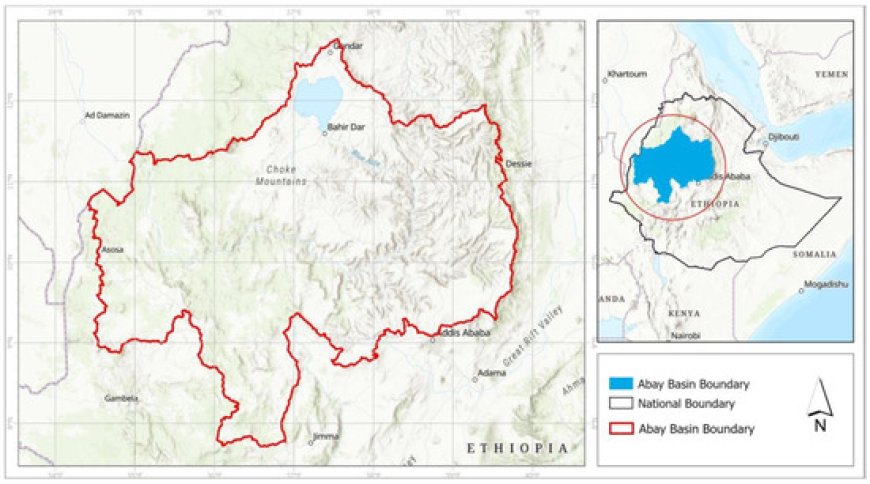
Spatiotemporal climate variability is a leading environmental constraint to the rain-fed agricultural productivity and food security of communities in the Abbay basin and elsewhere in Ethiopia. The previous one-size-fits-all approach to soil and water management technology targeting did not effectively address climate-induced risks to rain-fed agriculture. This study, therefore, delineates homogenous climatic regions and identifies climate-induced risks to rain-fed agriculture that are important to guide decisions and the selection of site-specific technologies for green water management in the Abbay basin. The k-means spatial clustering method was employed to identify homogenous climatic regions in the study area, while the Elbow method was used to determine an optimal number of climate clusters. The k-means clustering used the Enhancing National Climate Services (ENACTS) daily rainfall, minimum and maximum temperatures, and other derived climate variables that include daily rainfall amount, length of growing period (LGP), rainfall onset and cessation dates, rainfall intensity, temperature, potential evapotranspiration (PET), soil moisture, and AsterDEM to define climate regions. Accordingly, 12 climate clusters or regions were identified and mapped for the basin. Clustering a given geographic region into homogenous climate classes is useful to accurately identify and target locally relevant green water management technologies to effectively address local-scale climate-induced risks. This study also provided a methodological framework that can be used in the other river basins of Ethiopia and, indeed, elsewhere.
Climate, Vol. 11, Pages 212: Homogenous Climatic Regions for Targeting Green Water Management Technologies in the Abbay Basin, Ethiopia
Climate doi: 10.3390/cli11100212
Authors: Degefie Tibebe Mekonnen Adnew Degefu Woldeamlak Bewket Ermias Teferi Greg O’Donnell Claire Walsh
Spatiotemporal climate variability is a leading environmental constraint to the rain-fed agricultural productivity and food security of communities in the Abbay basin and elsewhere in Ethiopia. The previous one-size-fits-all approach to soil and water management technology targeting did not effectively address climate-induced risks to rain-fed agriculture. This study, therefore, delineates homogenous climatic regions and identifies climate-induced risks to rain-fed agriculture that are important to guide decisions and the selection of site-specific technologies for green water management in the Abbay basin. The k-means spatial clustering method was employed to identify homogenous climatic regions in the study area, while the Elbow method was used to determine an optimal number of climate clusters. The k-means clustering used the Enhancing National Climate Services (ENACTS) daily rainfall, minimum and maximum temperatures, and other derived climate variables that include daily rainfall amount, length of growing period (LGP), rainfall onset and cessation dates, rainfall intensity, temperature, potential evapotranspiration (PET), soil moisture, and AsterDEM to define climate regions. Accordingly, 12 climate clusters or regions were identified and mapped for the basin. Clustering a given geographic region into homogenous climate classes is useful to accurately identify and target locally relevant green water management technologies to effectively address local-scale climate-induced risks. This study also provided a methodological framework that can be used in the other river basins of Ethiopia and, indeed, elsewhere.
What's Your Reaction?