Environments, Vol. 11, Pages 42: Low Abundant Bacteria Reflect Soil Specificity—Analysis of Bacterial Communities from Archaeological Investigation of Pre-Industrial Saline Ash Deposits of Bad Dürrenberg (Germany)
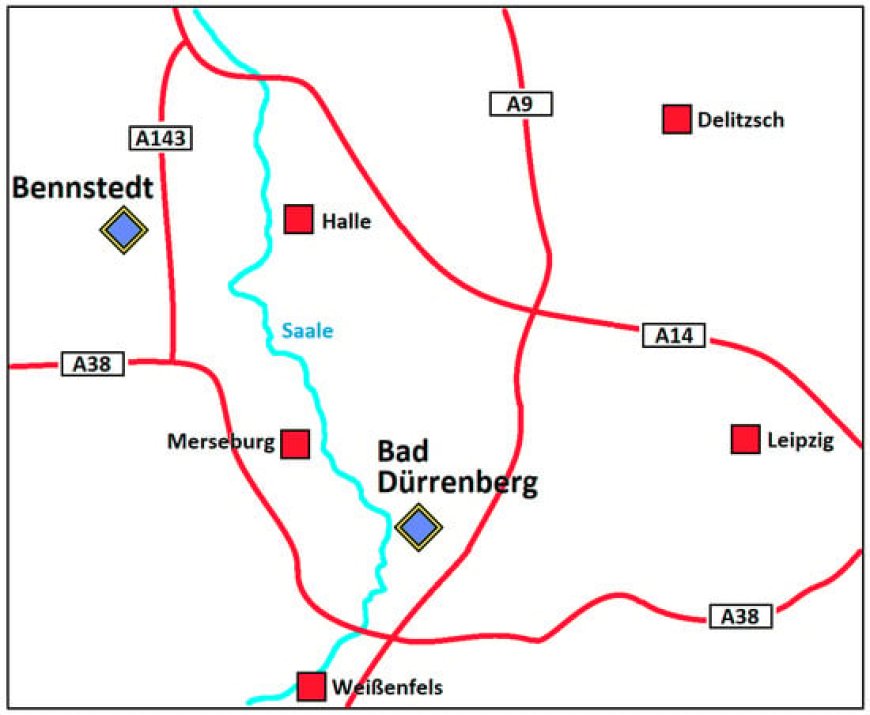
Six soil samples from three layers of an archaeological investigation profile from a pre-industrial ash deposit place have been investigated by NGS analyses of 16 S rRNA. The three pairs of sample originate from top soil (internal reference), from an intermediate ash layer and from a lower ash layer, formed about two centuries ago. In addition to general abundant bacteria, special genera known as halophilic or alkaline-tolerant have been found as expected from the history of the place and from the measured pH-value and conductivity measurements. The close relations between samples of pairs and the differences between the three soil layers are clearly indicated by abundance correlation and PCA-diagrams. Comparative PCA correlation plots including samples from an archaeological excavation site dedicated to pre-industrial coal mining illustrate the high distinguishability of investigated soils. These relations are particular clearly shown when lower abundant bacteria are regarded. The investigations are a further example for the “ecological memory of soil” reflecting the strong human impact on this pre-industrial embossed place.
Environments, Vol. 11, Pages 42: Low Abundant Bacteria Reflect Soil Specificity—Analysis of Bacterial Communities from Archaeological Investigation of Pre-Industrial Saline Ash Deposits of Bad Dürrenberg (Germany)
Environments doi: 10.3390/environments11030042
Authors: Johann Michael Köhler Linda Ehrhardt Peter Mike Günther Manfred Böhme Jialan Cao
Six soil samples from three layers of an archaeological investigation profile from a pre-industrial ash deposit place have been investigated by NGS analyses of 16 S rRNA. The three pairs of sample originate from top soil (internal reference), from an intermediate ash layer and from a lower ash layer, formed about two centuries ago. In addition to general abundant bacteria, special genera known as halophilic or alkaline-tolerant have been found as expected from the history of the place and from the measured pH-value and conductivity measurements. The close relations between samples of pairs and the differences between the three soil layers are clearly indicated by abundance correlation and PCA-diagrams. Comparative PCA correlation plots including samples from an archaeological excavation site dedicated to pre-industrial coal mining illustrate the high distinguishability of investigated soils. These relations are particular clearly shown when lower abundant bacteria are regarded. The investigations are a further example for the “ecological memory of soil” reflecting the strong human impact on this pre-industrial embossed place.
What's Your Reaction?