Climate, Vol. 12, Pages 92: Quantifying Drought Impacts Based on the Reliability–Resiliency–Vulnerability Framework over East Africa
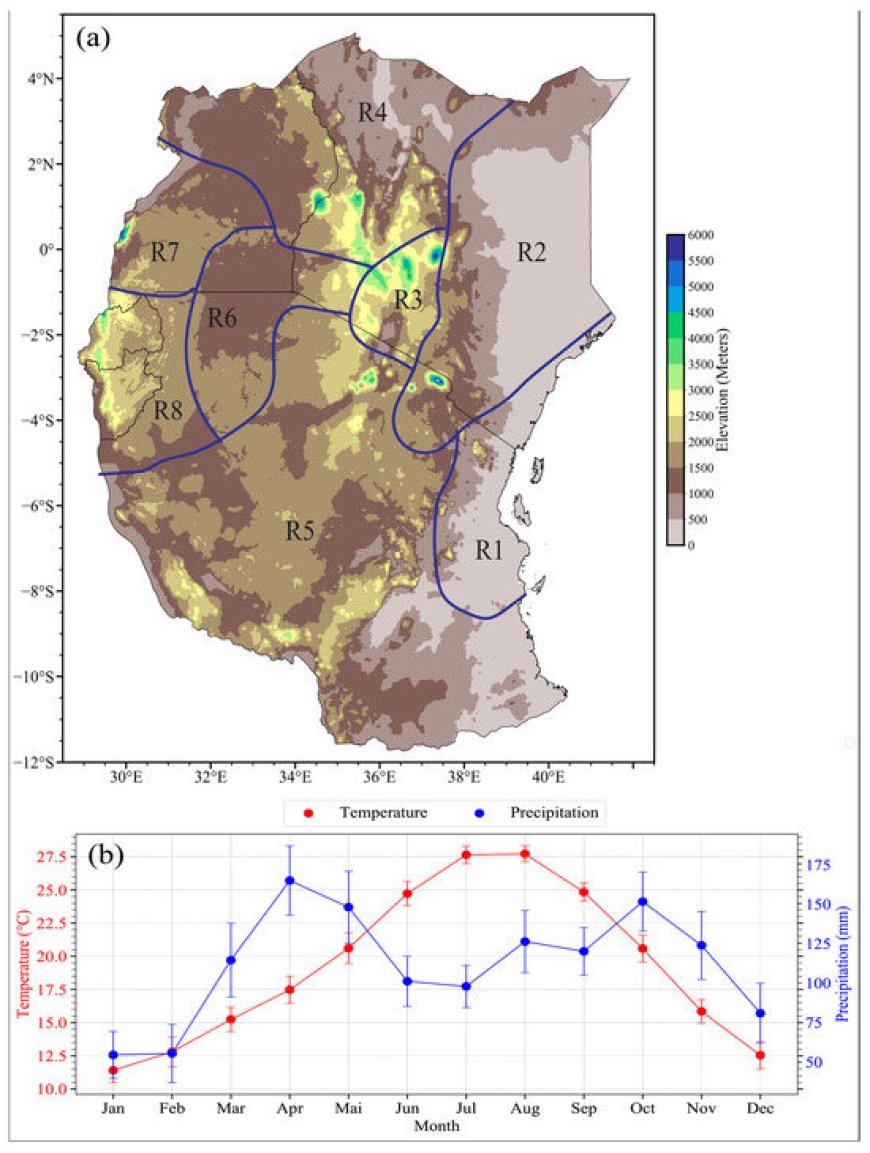
Drought poses a significant threat to water resources in East Africa, necessitating a comprehensive assessment of its impacts for effective mitigation strategies. This study utilizes two global gridded SPEI datasets to analyze drought characteristics (i.e., frequency, duration, and severity) in East Africa from 1981 to 2021. To estimate the sustainability of water resources over the region, the study employed the Reliability–Resiliency–Vulnerability framework (RRV) that aggregates the drought characteristics (i.e., frequency, duration, and severity). Drought is deemed to have occurred when the SPEI value falls below −1, so the threshold for water demand (RRV) is also computed at a threshold level of −1. The findings indicate pronounced changes in drought patterns across East Africa, with evidence of varying degrees of recovery and resilience in different regions. Employing the RRV framework over the East Africa region to determine how the region can cope with the effects of drought revealed a median range of RRV of 0.61 to 0.80, indicating a sustainable situation during the study period. This indicates that despite the recorded drought incidences, the water catchments of lakes, rivers, and major water towers are not threatened and, thus, less vulnerable. Although certain regions exhibit declining resilience and vulnerability to drought impacts, there is a need for targeted mitigation measures and policy interventions to safeguard water resources.
Climate, Vol. 12, Pages 92: Quantifying Drought Impacts Based on the Reliability–Resiliency–Vulnerability Framework over East Africa
Climate doi: 10.3390/cli12070092
Authors: Hassen Babaousmail Brian Odhiambo Ayugi Zulfiqar Hammad Donnata Alupot Kokou Romaric Posset Richard Mumo Adharsh Rajasekar
Drought poses a significant threat to water resources in East Africa, necessitating a comprehensive assessment of its impacts for effective mitigation strategies. This study utilizes two global gridded SPEI datasets to analyze drought characteristics (i.e., frequency, duration, and severity) in East Africa from 1981 to 2021. To estimate the sustainability of water resources over the region, the study employed the Reliability–Resiliency–Vulnerability framework (RRV) that aggregates the drought characteristics (i.e., frequency, duration, and severity). Drought is deemed to have occurred when the SPEI value falls below −1, so the threshold for water demand (RRV) is also computed at a threshold level of −1. The findings indicate pronounced changes in drought patterns across East Africa, with evidence of varying degrees of recovery and resilience in different regions. Employing the RRV framework over the East Africa region to determine how the region can cope with the effects of drought revealed a median range of RRV of 0.61 to 0.80, indicating a sustainable situation during the study period. This indicates that despite the recorded drought incidences, the water catchments of lakes, rivers, and major water towers are not threatened and, thus, less vulnerable. Although certain regions exhibit declining resilience and vulnerability to drought impacts, there is a need for targeted mitigation measures and policy interventions to safeguard water resources.
What's Your Reaction?