Climate, Vol. 12, Pages 55: Visualising the Complexity of Drought: A Network Analysis Based on the Water Resilience Assessment Framework and the Actor-Relational Approach
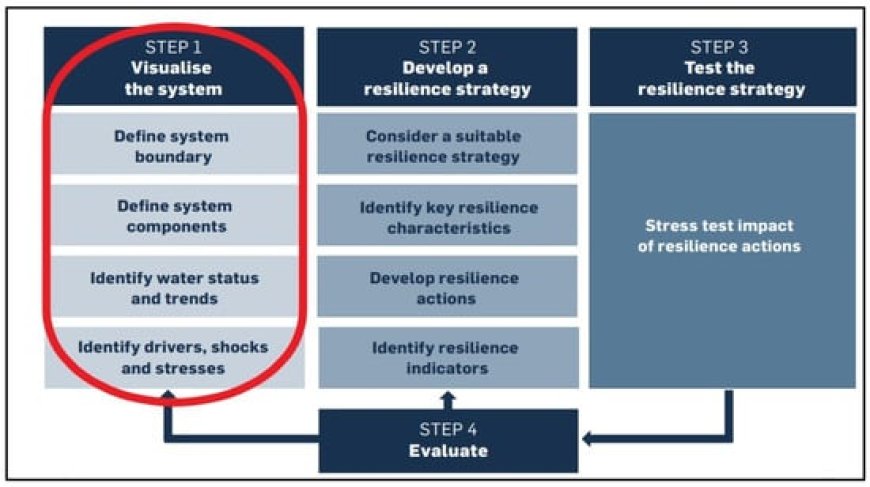
This paper discusses the increasing severity of droughts due to climate change. It emphasises the complexity of defining drought and the diverse perspectives among stakeholders. Lots of stakeholders with unclear responsibilities are involved, which can lead to uncertainty and indecisiveness in addressing the issue. To tackle this, the present paper proposes a methodology to dissect drought systems and reveal the intricate relationships between their components. This approach combines a comprehensive definition of drought with the “Water Resilience Assessment Framework” and an “Actor-Relational Approach”, visualised through network analysis. The methodology was applied to a case study situated in the Leie Basin of Flanders, Belgium. By employing this strategy, policymakers and mediators can gain a deeper understanding of drought, identify its root causes, and prioritise necessary changes for more effective drought and water management.
Climate, Vol. 12, Pages 55: Visualising the Complexity of Drought: A Network Analysis Based on the Water Resilience Assessment Framework and the Actor-Relational Approach
Climate doi: 10.3390/cli12040055
Authors: Joachim Vercruysse Greet Deruyter Renaat De Sutter Luuk Boelens
This paper discusses the increasing severity of droughts due to climate change. It emphasises the complexity of defining drought and the diverse perspectives among stakeholders. Lots of stakeholders with unclear responsibilities are involved, which can lead to uncertainty and indecisiveness in addressing the issue. To tackle this, the present paper proposes a methodology to dissect drought systems and reveal the intricate relationships between their components. This approach combines a comprehensive definition of drought with the “Water Resilience Assessment Framework” and an “Actor-Relational Approach”, visualised through network analysis. The methodology was applied to a case study situated in the Leie Basin of Flanders, Belgium. By employing this strategy, policymakers and mediators can gain a deeper understanding of drought, identify its root causes, and prioritise necessary changes for more effective drought and water management.
What's Your Reaction?