Climate, Vol. 12, Pages 46: A Move towards Developing Usable Climate Change Adaptation and Mitigation Services for the Agricultural Sector
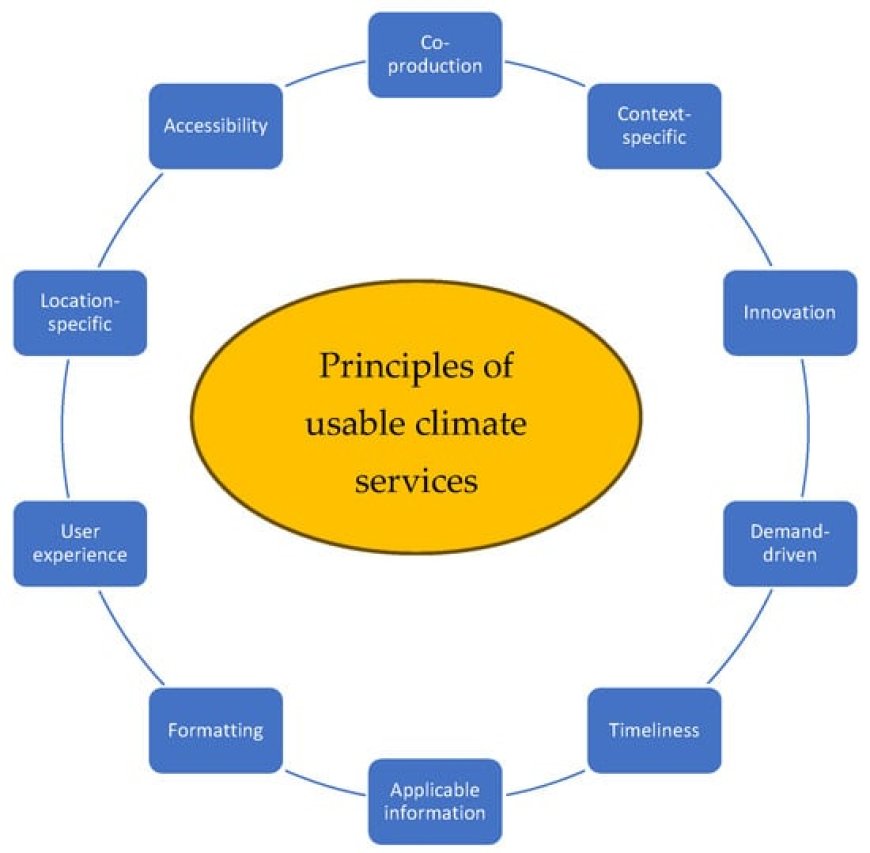
Dryland farming is at the center of increasing pressure to produce more food for the growing population in an environment that is highly variable and with high expectations for the standard of their production systems. While there is mounting pressure for increased productivity, the responsibility to protect the environment and diminish the agricultural sector’s carbon footprint is receiving growing emphasis. Achieving these two goals calls for a consolidated effort to ensure that the scientific community and service providers partner with farmers to create a sustainable food production system that does not harm the environment. In this paper, we studied the nature of the services present in the market and identified ways that could be used to improve the climate services available to the agricultural sector. Important factors that could increase the usability of climate services include coproduction, context-specific information, innovation, demand-driven services, timeliness of services, highly applicable information, provision of services in the correct format, services that increase user experience, specificity of services to a locale, and services that are easily accessible.
Climate, Vol. 12, Pages 46: A Move towards Developing Usable Climate Change Adaptation and Mitigation Services for the Agricultural Sector
Climate doi: 10.3390/cli12030046
Authors: Mokhele E. Moeletsi Mitsuru Tsubo
Dryland farming is at the center of increasing pressure to produce more food for the growing population in an environment that is highly variable and with high expectations for the standard of their production systems. While there is mounting pressure for increased productivity, the responsibility to protect the environment and diminish the agricultural sector’s carbon footprint is receiving growing emphasis. Achieving these two goals calls for a consolidated effort to ensure that the scientific community and service providers partner with farmers to create a sustainable food production system that does not harm the environment. In this paper, we studied the nature of the services present in the market and identified ways that could be used to improve the climate services available to the agricultural sector. Important factors that could increase the usability of climate services include coproduction, context-specific information, innovation, demand-driven services, timeliness of services, highly applicable information, provision of services in the correct format, services that increase user experience, specificity of services to a locale, and services that are easily accessible.
What's Your Reaction?