Climate, Vol. 11, Pages 240: A Social Dimension of Adaptation and Mitigation of Climate Change: Empowering Local Rural Communities to Confront Extreme Poverty
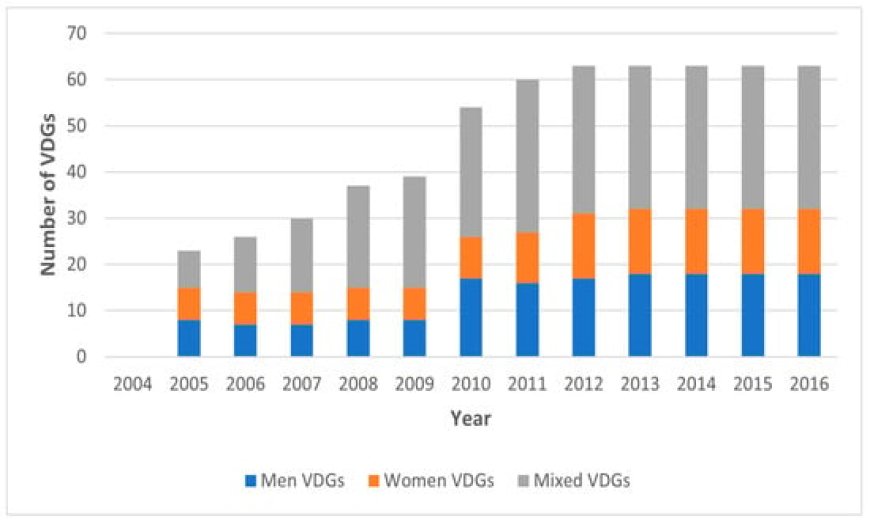
Climate change impacts occur at varying spatial scales requiring appropriately scaled responses. In impoverished rural areas, adapting to or mitigating the effects of climate change is challenging, with any short-term impairment to precarious livelihoods likely triggering negative community responses even if people are aware of long-term benefits. The paper will discuss a community-based carbon sequestration project in eastern Iran. It started in 2003 and since then has been expanded widely. It was nominated by UNDP as one of 10 transformative projects in Asia/Pacific in 2016. Over the past 20 years, the project has targeted improving the livelihood of the local communities while addressing local measures to adapt to/mitigate climate change. The paper elaborates on the formation of village development groups as pivotal drivers of success by highlighting local income-generating schemes and project documentation. Key lessons for climate change adaptation can be learnt and are applicable to other developing countries. Extreme poverty in rural areas facing climate change could be tackled through implementing bottom-up approaches in which local communities can be respected and engaged in co-leadership and planning.
Climate, Vol. 11, Pages 240: A Social Dimension of Adaptation and Mitigation of Climate Change: Empowering Local Rural Communities to Confront Extreme Poverty
Climate doi: 10.3390/cli11120240
Authors: Farshad Amiraslani Deirdre Dragovich
Climate change impacts occur at varying spatial scales requiring appropriately scaled responses. In impoverished rural areas, adapting to or mitigating the effects of climate change is challenging, with any short-term impairment to precarious livelihoods likely triggering negative community responses even if people are aware of long-term benefits. The paper will discuss a community-based carbon sequestration project in eastern Iran. It started in 2003 and since then has been expanded widely. It was nominated by UNDP as one of 10 transformative projects in Asia/Pacific in 2016. Over the past 20 years, the project has targeted improving the livelihood of the local communities while addressing local measures to adapt to/mitigate climate change. The paper elaborates on the formation of village development groups as pivotal drivers of success by highlighting local income-generating schemes and project documentation. Key lessons for climate change adaptation can be learnt and are applicable to other developing countries. Extreme poverty in rural areas facing climate change could be tackled through implementing bottom-up approaches in which local communities can be respected and engaged in co-leadership and planning.
What's Your Reaction?