CivilEng, Vol. 5, Pages 136-149: Lateral Track Buckling in Sweden: Insights from Operators and Infrastructure Managers
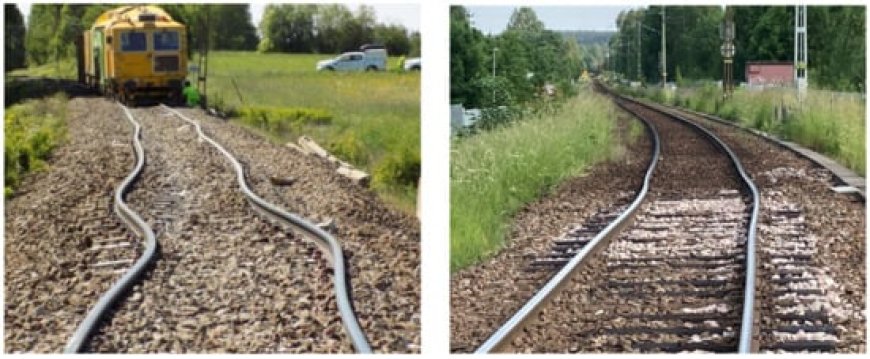
Rail transport is expected to become a key component in the development of a long-term sustainable transport system. The planning, construction, operation, and maintenance of railway infrastructure are crucial in this effort. Hence, it is essential to ascertain that the railway infrastructure withstands and is adapted to extreme weather conditions and climate change. This study focuses on evaluating climate adaptation measures for lateral track buckling in Sweden. Through a literature review and interview with an expert at Swedish Transport Administration, it is highlighted that the maintenance status of railway infrastructure plays a significant role in the occurrence of lateral track buckling. According to the expert, inadequate track maintenance is the primary cause of lateral track buckling rather than weather variables like air temperature. The interview also clarifies that the chain of events related to the handling of track buckling is mainly initiated by the observation of a discrete lateral irregularity by a train driver, whereupon the train dispatcher at the traffic management center stops traffic until the location in the track has been inspected by a track entrepreneur. During the inspection, up to half of the observed cases of track buckling turn out to be false.
CivilEng, Vol. 5, Pages 136-149: Lateral Track Buckling in Sweden: Insights from Operators and Infrastructure Managers
CivilEng doi: 10.3390/civileng5010007
Authors: Raheb Mirzanamadi Erik Nyberg Peter Torstensson Yvonne Andersson-Sköld
Rail transport is expected to become a key component in the development of a long-term sustainable transport system. The planning, construction, operation, and maintenance of railway infrastructure are crucial in this effort. Hence, it is essential to ascertain that the railway infrastructure withstands and is adapted to extreme weather conditions and climate change. This study focuses on evaluating climate adaptation measures for lateral track buckling in Sweden. Through a literature review and interview with an expert at Swedish Transport Administration, it is highlighted that the maintenance status of railway infrastructure plays a significant role in the occurrence of lateral track buckling. According to the expert, inadequate track maintenance is the primary cause of lateral track buckling rather than weather variables like air temperature. The interview also clarifies that the chain of events related to the handling of track buckling is mainly initiated by the observation of a discrete lateral irregularity by a train driver, whereupon the train dispatcher at the traffic management center stops traffic until the location in the track has been inspected by a track entrepreneur. During the inspection, up to half of the observed cases of track buckling turn out to be false.
What's Your Reaction?