AI, Vol. 4, Pages 844-874: Anthropocentrism and Environmental Wellbeing in AI Ethics Standards: A Scoping Review and Discussion
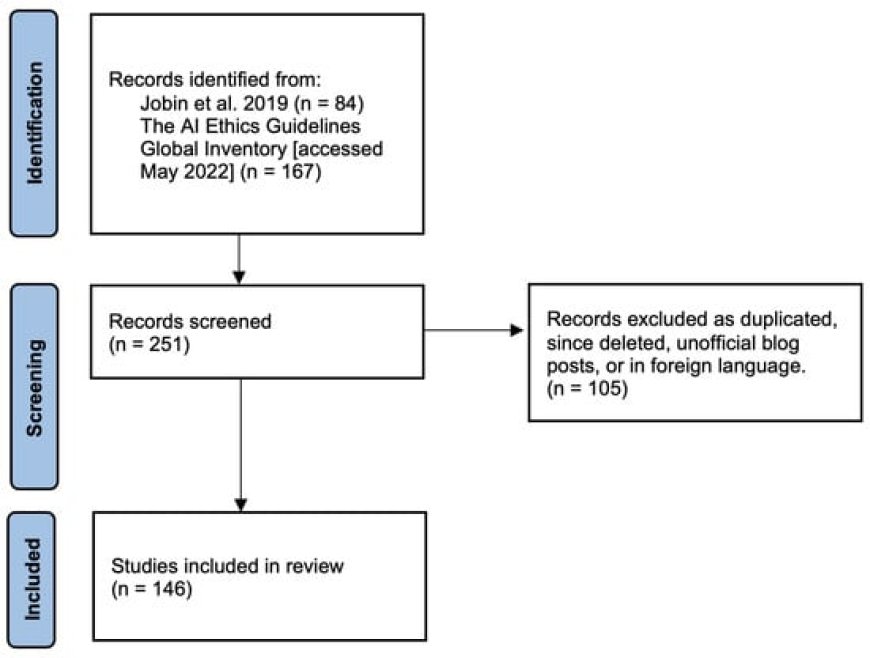
As AI deployment has broadened, so too has an awareness for the ethical implications and problems that may ensue from this deployment. In response, groups across multiple domains have issued AI ethics standards that rely on vague, high-level principles to find consensus. One such high-level principle that is common across the AI landscape is ‘human-centredness’, though oftentimes it is applied without due investigation into its merits and limitations and without a clear, common definition. This paper undertakes a scoping review of AI ethics standards to examine the commitment to ‘human-centredness’ and how this commitment interacts with other ethical concerns, namely, concerns for nonhumans animals and environmental wellbeing. We found that human-centred AI ethics standards tend to prioritise humans over nonhumans more so than nonhuman-centred standards. A critical analysis of our findings suggests that a commitment to human-centredness within AI ethics standards accords with the definition of anthropocentrism in moral philosophy: that humans have, at least, more intrinsic moral value than nonhumans. We consider some of the limitations of anthropocentric AI ethics, which include permitting harm to the environment and animals and undermining the stability of ecosystems.
AI, Vol. 4, Pages 844-874: Anthropocentrism and Environmental Wellbeing in AI Ethics Standards: A Scoping Review and Discussion
Authors: Eryn Rigley Adriane Chapman Christine Evers Will McNeill
As AI deployment has broadened, so too has an awareness for the ethical implications and problems that may ensue from this deployment. In response, groups across multiple domains have issued AI ethics standards that rely on vague, high-level principles to find consensus. One such high-level principle that is common across the AI landscape is ‘human-centredness’, though oftentimes it is applied without due investigation into its merits and limitations and without a clear, common definition. This paper undertakes a scoping review of AI ethics standards to examine the commitment to ‘human-centredness’ and how this commitment interacts with other ethical concerns, namely, concerns for nonhumans animals and environmental wellbeing. We found that human-centred AI ethics standards tend to prioritise humans over nonhumans more so than nonhuman-centred standards. A critical analysis of our findings suggests that a commitment to human-centredness within AI ethics standards accords with the definition of anthropocentrism in moral philosophy: that humans have, at least, more intrinsic moral value than nonhumans. We consider some of the limitations of anthropocentric AI ethics, which include permitting harm to the environment and animals and undermining the stability of ecosystems.
What's Your Reaction?