Water, Vol. 16, Pages 1163: Research Progress on Migratory Water Birds: Indicators of Heavy Metal Pollution in Inland Wetland Resources of Punjab, Pakistan
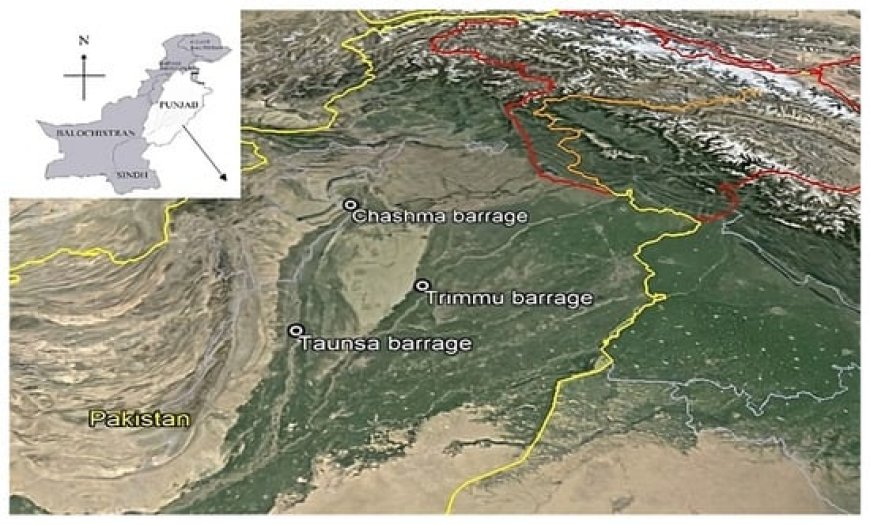
The heavy metal burden on natural freshwater ecosystems is uninterruptedly increasing, which could affect their biodiversity, particularly regarding avian species. Three river barrages were selected for the sampling of water birds from autumn 2021 to spring 2022. Seven heavy metals—nickel (Ni), copper (Cu), cobalt (Co), zinc (Zn), lead (Pb), cadmium (Cd), and manganese (Mn)—were estimated in the hearts and livers of Fulica atra (Common Coot), Anas strepera (Gad-wall), and Anas crecca (Eurasian Teal) (Linnaeus, 1758) by atomic absorption spectrometry. The mean concentrations of metals were found to be significantly (p < 0.05) different among the sam-pling sites, species, and tissues. In the livers of F. atra and A. strepera, respectively, the highest mean concentration among the metals belonged to Zn (521 µg/g), and the lowest belonged to Cd (0.17 µg/g). The concentrations of Zn, Cu, Pb, Cd, and Co were highest in A. strepera heart samples. However, the concentrations of Zn, Pb, Cd, and Mn were found to be highest in the livers of F. atra. A comparison between both tissues indicated that the concentration of Ni is significantly (p < 0.05) higher (except for F. atra from Trimmu barrage) in the livers of water birds and that the concentration of Cd is significantly higher in the hearts of water birds. The mean metal concentrations were higher than the background limits reported in various studies, suggesting that the wintering water birds of Pakistan are under a significant load of heavy metal pollution. Histopathological analysis suggested that the observed heavy metals altered the normal histologies of hearts and livers of Fulica atra (Common Coot), Anas strepera (Gadwall), and Anas crecca (Eurasian Teal) sampled from three wetlands of Punjab Pakistan.
Water, Vol. 16, Pages 1163: Research Progress on Migratory Water Birds: Indicators of Heavy Metal Pollution in Inland Wetland Resources of Punjab, Pakistan
Water doi: 10.3390/w16081163
Authors: Shifa Shaffique Sang-Mo Kang Muhammad Ahsan Ashraf Ali Umar Muhammad Saleem Khan Muhammad Wajid Abdullah Ahmed Al-Ghamdi In-Jung Lee
The heavy metal burden on natural freshwater ecosystems is uninterruptedly increasing, which could affect their biodiversity, particularly regarding avian species. Three river barrages were selected for the sampling of water birds from autumn 2021 to spring 2022. Seven heavy metals—nickel (Ni), copper (Cu), cobalt (Co), zinc (Zn), lead (Pb), cadmium (Cd), and manganese (Mn)—were estimated in the hearts and livers of Fulica atra (Common Coot), Anas strepera (Gad-wall), and Anas crecca (Eurasian Teal) (Linnaeus, 1758) by atomic absorption spectrometry. The mean concentrations of metals were found to be significantly (p < 0.05) different among the sam-pling sites, species, and tissues. In the livers of F. atra and A. strepera, respectively, the highest mean concentration among the metals belonged to Zn (521 µg/g), and the lowest belonged to Cd (0.17 µg/g). The concentrations of Zn, Cu, Pb, Cd, and Co were highest in A. strepera heart samples. However, the concentrations of Zn, Pb, Cd, and Mn were found to be highest in the livers of F. atra. A comparison between both tissues indicated that the concentration of Ni is significantly (p < 0.05) higher (except for F. atra from Trimmu barrage) in the livers of water birds and that the concentration of Cd is significantly higher in the hearts of water birds. The mean metal concentrations were higher than the background limits reported in various studies, suggesting that the wintering water birds of Pakistan are under a significant load of heavy metal pollution. Histopathological analysis suggested that the observed heavy metals altered the normal histologies of hearts and livers of Fulica atra (Common Coot), Anas strepera (Gadwall), and Anas crecca (Eurasian Teal) sampled from three wetlands of Punjab Pakistan.
What's Your Reaction?