


































The concept of blood types
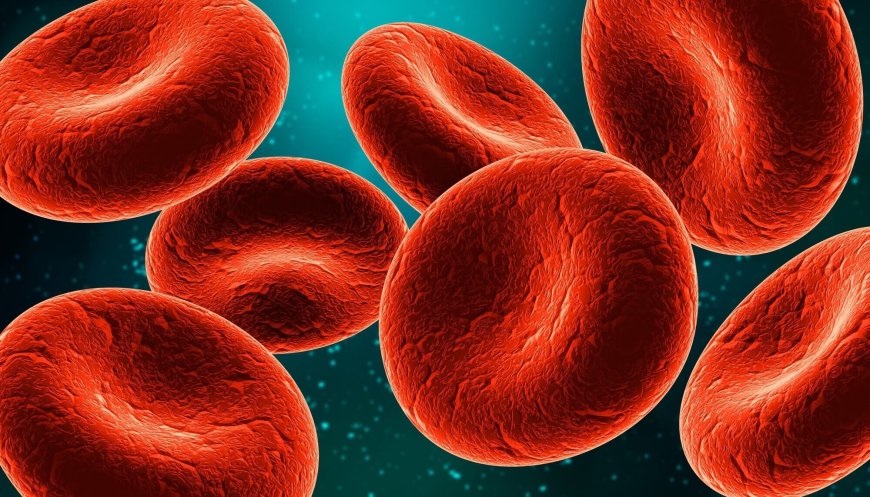
The concept of blood types and their significance in various aspects of life, including health, culture, and even personality traits, is a fascinating topic. Here's an overview:
1. Scientific Basis of Blood Types
- Blood Type Classification: Blood types are classified based on the presence or absence of specific antigens on the surface of red blood cells. The most well-known blood type classification systems are the ABO system and the Rh system.
- ABO System: Blood types are A, B, AB, and O.
- Rh System: Blood types are classified as positive (+) or negative (-) based on the presence or absence of the Rh factor (D antigen).
- Blood Type Compatibility: This is crucial for blood transfusions, organ transplants, and pregnancy. For example, O- is known as the universal donor, and AB+ is known as the universal recipient.
-
Universal Donors and Recipients
2. Health Implications
- Disease Susceptibility: Some studies suggest that certain blood types may be more susceptible to specific diseases. For example, individuals with type O blood might have a lower risk of heart disease but a higher risk of peptic ulcers.
- Diet and Nutrition: The Blood Type Diet, popularized by Dr. Peter D'Adamo, suggests that people should eat according to their blood type to improve health and reduce the risk of disease. However, this diet lacks substantial scientific support.
3. Cultural Beliefs
- Japan and Blood Types: In Japan, blood types are often associated with personality traits and compatibility, similar to how zodiac signs are used in other cultures.
- Type A: Considered to be responsible, patient, and punctual.
- Type B: Thought to be creative, passionate, and strong-willed.
- Type AB: Seen as rational, adaptable, and mysterious.
- Type O: Believed to be confident, self-determined, and optimistic.
- South Korea: Similar beliefs about blood types influencing personality traits exist in South Korea.
4. Historical Perspectives
- Discovery of Blood Types: The ABO blood group system was discovered by Karl Landsteiner in 1901, earning him the Nobel Prize in Physiology or Medicine in 1930.
- Use in World War II: Blood type identification became crucial during World War II for safe blood transfusions.
5. Modern Applications
- Medical Transfusions: Understanding blood types is essential for safe blood transfusions and organ transplants.
- Pregnancy: Rh incompatibility between a mother and her fetus can lead to hemolytic disease of the newborn, which requires careful management.
6. Blood Type Distribution
- Global Distribution: The distribution of blood types varies globally. For instance, type O is more common in Latin America, while type B is more prevalent in Asia.
7. Controversies and Myths
- Personality and Compatibility: While popular in some cultures, the link between blood type and personality lacks scientific evidence.
- Diet Fads: The Blood Type Diet remains controversial and is often criticized by nutrition experts for its lack of empirical support.
8. Key Facts About Blood Donation
What's Your Reaction?



Eyosias Birhanu
Ph.D. candidate in Water Supply & Environmental Engineering at Addis Ababa Institute of Technology, holding an M.Sc. in Hydraulic Engineering and a B.Sc. in Hydraulic & Water Resources Engineering. Skilled in research, data analysis, and water resource management. Certified in front-end development and machine learning. Proficient in Python for data operations and analysis. Actively improving Python skills.


-
 EyoelIts really adventure!








