IJERPH, Vol. 21, Pages 537: Healthy Life Habits in Caregivers of Children in Vulnerable Populations: A Cluster Analysis
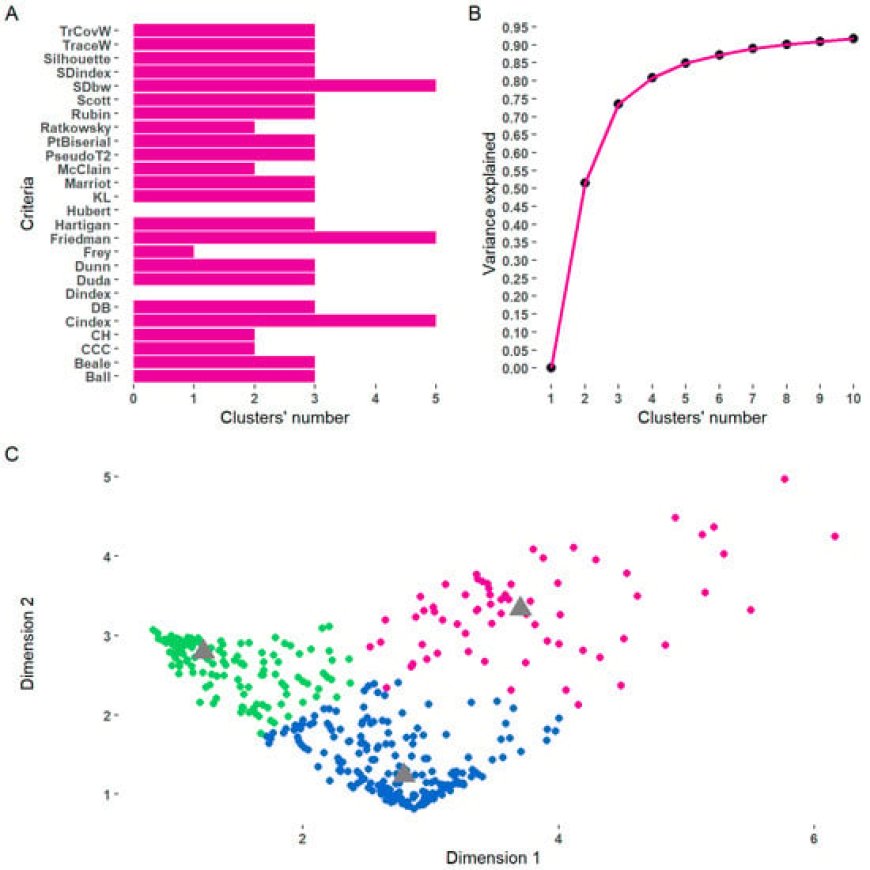
Intervention programs aimed at mitigating the effects of chronic noncommunicable disease (CNDs) focus on promoting healthy lifestyle habits (HLH), especially in the early stages of life. Because of this, different typologies of caregivers have been identified according to HLH during middle childhood and adolescence. However, the available studies have focused on aspects such as nutrition, physical activity, and rest, ignoring other HLHs that are equally important for children’s well-being. Likewise, few studies address HLH during the first five years of life and how caregivers affect children’s health. In a sample of 544 caregivers of children aged zero to five years from low-income Colombian communities, we established a typology of attitudes toward different HLHs. The results indicate the presence of three clusters that grouped caregivers with (1) positive attitudes toward all HLHs, (2) toward some HLHs, and (3) relatively low positive attitudes toward all HLHs. Membership in clusters with less positive attitudes toward HLHs was also found to be associated with low educational levels and living in rural areas. This study detected profiles of caregivers who may have unhealthy lifestyles, so the results would allow social workers to design differential interventions on HLHs in non-industrialized countries.
IJERPH, Vol. 21, Pages 537: Healthy Life Habits in Caregivers of Children in Vulnerable Populations: A Cluster Analysis
International Journal of Environmental Research and Public Health doi: 10.3390/ijerph21050537
Authors: Moisés Mebarak Juan Mendoza Duban Romero José Amar
Intervention programs aimed at mitigating the effects of chronic noncommunicable disease (CNDs) focus on promoting healthy lifestyle habits (HLH), especially in the early stages of life. Because of this, different typologies of caregivers have been identified according to HLH during middle childhood and adolescence. However, the available studies have focused on aspects such as nutrition, physical activity, and rest, ignoring other HLHs that are equally important for children’s well-being. Likewise, few studies address HLH during the first five years of life and how caregivers affect children’s health. In a sample of 544 caregivers of children aged zero to five years from low-income Colombian communities, we established a typology of attitudes toward different HLHs. The results indicate the presence of three clusters that grouped caregivers with (1) positive attitudes toward all HLHs, (2) toward some HLHs, and (3) relatively low positive attitudes toward all HLHs. Membership in clusters with less positive attitudes toward HLHs was also found to be associated with low educational levels and living in rural areas. This study detected profiles of caregivers who may have unhealthy lifestyles, so the results would allow social workers to design differential interventions on HLHs in non-industrialized countries.
What's Your Reaction?