IJERPH, Vol. 21, Pages 463: Sustainability Planning for a Community Network to Increase Participation in Evidence-Based Lifestyle Change Programs: A Mixed-Methods Approach
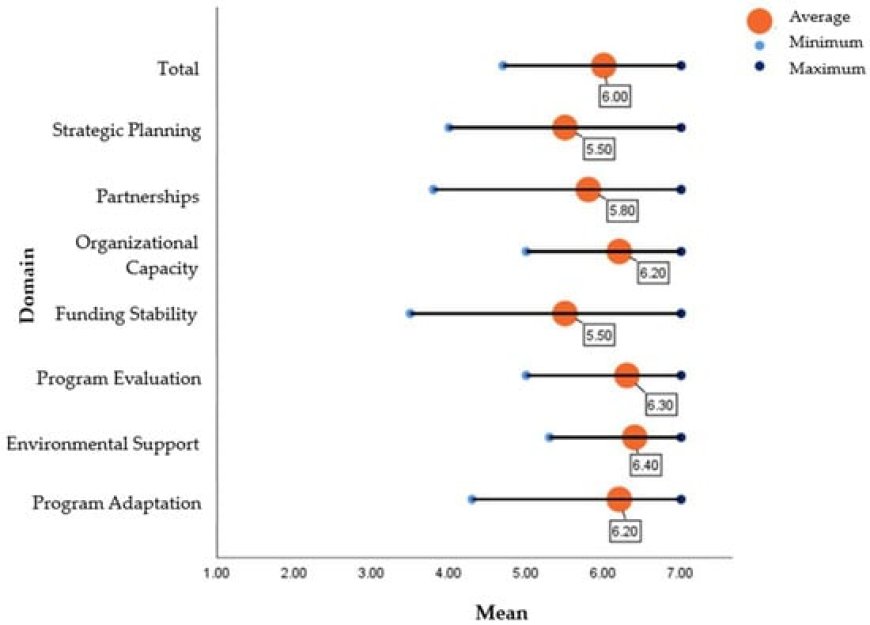
Community-based chronic disease prevention programs can have long-term, broad public health benefits. Yet, only 40 to 60% of evidence-based health programs are sustained. Using established frameworks and evidence-based tools to characterize sustainability allows programs to develop structures and processes to leverage resources effectively to sustain effective program activities and systems. This study used a mixed-methods, partner-engaged approach to identify barriers and facilitators to sustaining a community network (the Alliance program) aimed to increase participation in evidence-based lifestyle change programs delivered in the community. Surveys and qualitative interviews were conducted with the Alliance partners based on the Program Sustainability Assessment Tool and Consolidated Framework for Implementation Research. Overall, partners felt Alliance had a high capacity for sustainability. Strategic planning, communication, and partnerships were areas partners prioritized to improve the potential for sustaining the program. Results informed the co-development of a sustainability action plan. This paper furthers our understanding of factors critical for the sustainability of community-based programs for chronic disease prevention and health equity and presents a process for developing action plans to build sustainability capacity.
IJERPH, Vol. 21, Pages 463: Sustainability Planning for a Community Network to Increase Participation in Evidence-Based Lifestyle Change Programs: A Mixed-Methods Approach
International Journal of Environmental Research and Public Health doi: 10.3390/ijerph21040463
Authors: Maura M. Kepper Katherine A. Stamatakis Ariel Deitch Ally Terhaar Emerald Gates Gabrielle Cole Carolyn S. French Amy Hampton Lauren Anderson Amy A. Eyler
Community-based chronic disease prevention programs can have long-term, broad public health benefits. Yet, only 40 to 60% of evidence-based health programs are sustained. Using established frameworks and evidence-based tools to characterize sustainability allows programs to develop structures and processes to leverage resources effectively to sustain effective program activities and systems. This study used a mixed-methods, partner-engaged approach to identify barriers and facilitators to sustaining a community network (the Alliance program) aimed to increase participation in evidence-based lifestyle change programs delivered in the community. Surveys and qualitative interviews were conducted with the Alliance partners based on the Program Sustainability Assessment Tool and Consolidated Framework for Implementation Research. Overall, partners felt Alliance had a high capacity for sustainability. Strategic planning, communication, and partnerships were areas partners prioritized to improve the potential for sustaining the program. Results informed the co-development of a sustainability action plan. This paper furthers our understanding of factors critical for the sustainability of community-based programs for chronic disease prevention and health equity and presents a process for developing action plans to build sustainability capacity.
What's Your Reaction?