Hydrology, Vol. 11, Pages 46: Analysis of the Impact of Hydraulic Gates on a Stabilized Tidal Inlet Structure: Mathematical Model and Data Measurements
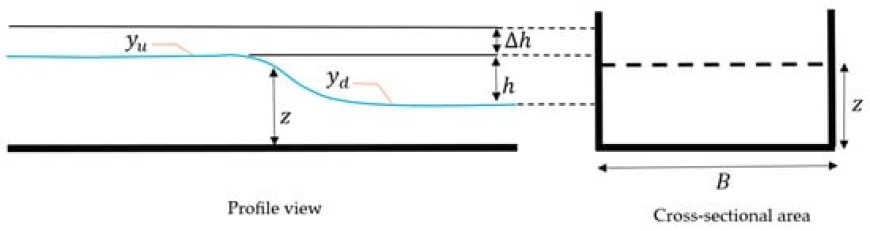
Tidal inlet structures are engineering projects with associated benefits related to flood control, water quality enhancement, and coastal protection. This study analyzes the performance of hydraulic gates on a stabilized inlet in estuarine systems by developing a simplified hydraulic model that considers inlet and outlet water levels. The proposed model was applied to the stabilized tidal inlet structure in Cartagena de Indias, Colombia. This model offers a practical tool for engineers and designers operating estuarine systems. The analysis focuses on the coastal lagoon of Ciénaga de la Virgen. The proposed model was successfully calibrated using two water sensors, with extreme input and outlet flow rates of approximately 260 m3/s and 110 m3/s, respectively. The average daily output volume in the system is 3,361,000 m3, while the average daily input volume is 3,200,000 m3. Consequently, the manipulation of the opening gates results in a decrease in the estuarine water level, potentially by as much as 25 cm, which local authorities can use to make decisions to reduce extreme water levels during flooding events.
Hydrology, Vol. 11, Pages 46: Analysis of the Impact of Hydraulic Gates on a Stabilized Tidal Inlet Structure: Mathematical Model and Data Measurements
Hydrology doi: 10.3390/hydrology11040046
Authors: Alfonso Arrieta-Pastrana Oscar E. Coronado-Hernández Vicente S. Fuertes-Miquel
Tidal inlet structures are engineering projects with associated benefits related to flood control, water quality enhancement, and coastal protection. This study analyzes the performance of hydraulic gates on a stabilized inlet in estuarine systems by developing a simplified hydraulic model that considers inlet and outlet water levels. The proposed model was applied to the stabilized tidal inlet structure in Cartagena de Indias, Colombia. This model offers a practical tool for engineers and designers operating estuarine systems. The analysis focuses on the coastal lagoon of Ciénaga de la Virgen. The proposed model was successfully calibrated using two water sensors, with extreme input and outlet flow rates of approximately 260 m3/s and 110 m3/s, respectively. The average daily output volume in the system is 3,361,000 m3, while the average daily input volume is 3,200,000 m3. Consequently, the manipulation of the opening gates results in a decrease in the estuarine water level, potentially by as much as 25 cm, which local authorities can use to make decisions to reduce extreme water levels during flooding events.
What's Your Reaction?