Hydrology, Vol. 10, Pages 203: Efficient Flood Early Warning System for Data-Scarce, Karstic, Mountainous Environments: A Case Study
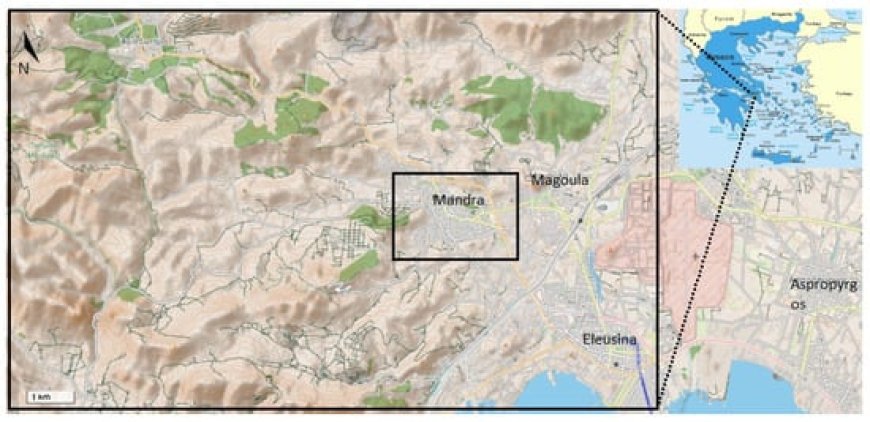
This paper presents an efficient flood early warning system developed for the city of Mandra, Greece which experienced a devastating flood event in November 2017 resulting in significant loss of life. The location is of particular interest due to both its small-sized water basin (20 km2 upstream of the studied cross-section), necessitating a rapid response time for effective flood warning calculations, and the lack of hydrometric data. To address the first issue, a database of pre-simulated flooding events with a 2D hydrodynamic model corresponding to synthetic precipitations with different return periods was established. To address the latter issue, the hydrological model was calibrated using qualitative information collected after the catastrophic event, compensating for the lack of hydrometric data. The case study demonstrates the establishment of a hybrid (online–offline) flood early warning system in data-scarce environments. By utilizing pre-simulated events and qualitative information, the system provides valuable insights for flood forecasting and aids in decision-making processes. This approach can be applied to other similar locations with limited data availability, contributing to improved flood management strategies and enhanced community resilience.
Hydrology, Vol. 10, Pages 203: Efficient Flood Early Warning System for Data-Scarce, Karstic, Mountainous Environments: A Case Study
Hydrology doi: 10.3390/hydrology10100203
Authors: Evangelos Rozos Vasilis Bellos John Kalogiros Katerina Mazi
This paper presents an efficient flood early warning system developed for the city of Mandra, Greece which experienced a devastating flood event in November 2017 resulting in significant loss of life. The location is of particular interest due to both its small-sized water basin (20 km2 upstream of the studied cross-section), necessitating a rapid response time for effective flood warning calculations, and the lack of hydrometric data. To address the first issue, a database of pre-simulated flooding events with a 2D hydrodynamic model corresponding to synthetic precipitations with different return periods was established. To address the latter issue, the hydrological model was calibrated using qualitative information collected after the catastrophic event, compensating for the lack of hydrometric data. The case study demonstrates the establishment of a hybrid (online–offline) flood early warning system in data-scarce environments. By utilizing pre-simulated events and qualitative information, the system provides valuable insights for flood forecasting and aids in decision-making processes. This approach can be applied to other similar locations with limited data availability, contributing to improved flood management strategies and enhanced community resilience.
What's Your Reaction?