Environments, Vol. 10, Pages 218: A Framework for the Estimation of Air Quality by Applying Meteorological Images: Colours-of-the-Wind (COLD)
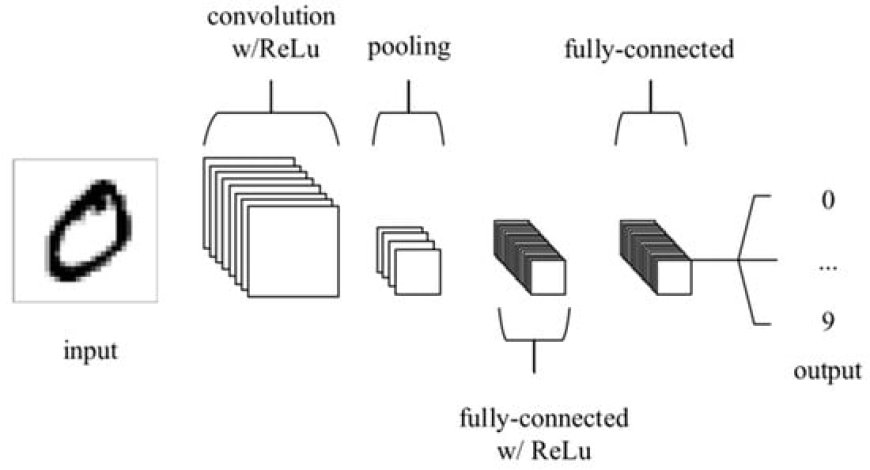
This paper presents a new framework, “colours-of-the-wind” (COLD), which is designed to estimate air quality based on images from meteorological cameras, data analytics techniques, and the application of deep learning. Existing air quality estimation systems mainly rely on physical monitoring stations, which are limited by the monitoring stations’ physical constraints. Instead of collecting data from environmental monitoring stations, COLD collects air quality data from meteorological cameras. This approach can collect data from any location where a camera could capture a reliable image, which is otherwise not collectable by the physical environmental monitoring station(s). This approach can also avoid bias due to the location of data collection. The system is evaluated by building a prototype based on the Air Quality Health Index from the Hong Kong Observatory. This is one of the unique data-analytic frameworks based on such air quality measurement. The COLD’s air quality estimation is also based on AQHI, the first machine learning-based estimation framework that generates AQHI as the proposed output. Experimental results suggest that the approach adopted by the COLD prototype is feasible and has some promising outcomes. The results also suggest possible parameters for the CNN model used for the training and analyses of the images.
Environments, Vol. 10, Pages 218: A Framework for the Estimation of Air Quality by Applying Meteorological Images: Colours-of-the-Wind (COLD)
Environments doi: 10.3390/environments10120218
Authors: Kenneth Chan Paul Matthews Kamran Munir
This paper presents a new framework, “colours-of-the-wind” (COLD), which is designed to estimate air quality based on images from meteorological cameras, data analytics techniques, and the application of deep learning. Existing air quality estimation systems mainly rely on physical monitoring stations, which are limited by the monitoring stations’ physical constraints. Instead of collecting data from environmental monitoring stations, COLD collects air quality data from meteorological cameras. This approach can collect data from any location where a camera could capture a reliable image, which is otherwise not collectable by the physical environmental monitoring station(s). This approach can also avoid bias due to the location of data collection. The system is evaluated by building a prototype based on the Air Quality Health Index from the Hong Kong Observatory. This is one of the unique data-analytic frameworks based on such air quality measurement. The COLD’s air quality estimation is also based on AQHI, the first machine learning-based estimation framework that generates AQHI as the proposed output. Experimental results suggest that the approach adopted by the COLD prototype is feasible and has some promising outcomes. The results also suggest possible parameters for the CNN model used for the training and analyses of the images.
What's Your Reaction?