Climate, Vol. 12, Pages 61: A Critical Analysis of Morocco’s Green Hydrogen Roadmap: A Modelling Approach to Assess Country Readiness from the Energy Trilemma Perspective
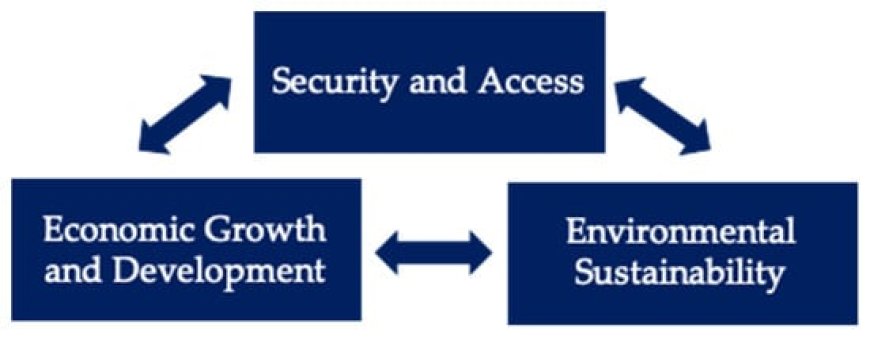
Morocco, despite its heavy reliance on imported fossil fuels, which made up 68% of electricity generation in 2020, has recognised its significant renewable energy potential. The Nationally Determined Contribution (NDC) commitment is to reduce emissions by 45.5% from baseline levels with international assistance and abstain from constructing new coal plants. Moreover, the Green Hydrogen Roadmap aims to export 10 TWh of green hydrogen by 2030, as well as use it for local electricity storage. This paper critically analyses this Roadmap and Morocco’s readiness to reach its ambitious targets, focusing specifically on an energy trilemma perspective and using OSeMOSYS (Open-Source energy Modelling System) for energy modelling. The results reveal that the NDC scenario is only marginally more expensive than the least-cost scenario, at around 1.3% (approximately USD 375 million), and facilitates a 23.32% emission reduction by 2050. An important note is the continued reliance on existing coal power plants across all scenarios, which challenges both energy security and emissions. The assessment of the Green Hydrogen Scenarios highlights that it could be too costly for the Moroccan government to fund the Green Hydrogen Roadmap at this scale, which leads to increased imports of polluting fossil fuels for cost reduction. In fact, the emission levels are 39% higher in the green hydrogen exports scenario than in the least-cost scenario. Given these findings, it is recommended that the Green Hydrogen Roadmap be re-evaluated, with a suggestion for a postponement and reduction in scope.
Climate, Vol. 12, Pages 61: A Critical Analysis of Morocco’s Green Hydrogen Roadmap: A Modelling Approach to Assess Country Readiness from the Energy Trilemma Perspective
Climate doi: 10.3390/cli12050061
Authors: Amandine Caillard Rudolf Yeganyan Carla Cannone Fernando Plazas-Niño Mark Howells
Morocco, despite its heavy reliance on imported fossil fuels, which made up 68% of electricity generation in 2020, has recognised its significant renewable energy potential. The Nationally Determined Contribution (NDC) commitment is to reduce emissions by 45.5% from baseline levels with international assistance and abstain from constructing new coal plants. Moreover, the Green Hydrogen Roadmap aims to export 10 TWh of green hydrogen by 2030, as well as use it for local electricity storage. This paper critically analyses this Roadmap and Morocco’s readiness to reach its ambitious targets, focusing specifically on an energy trilemma perspective and using OSeMOSYS (Open-Source energy Modelling System) for energy modelling. The results reveal that the NDC scenario is only marginally more expensive than the least-cost scenario, at around 1.3% (approximately USD 375 million), and facilitates a 23.32% emission reduction by 2050. An important note is the continued reliance on existing coal power plants across all scenarios, which challenges both energy security and emissions. The assessment of the Green Hydrogen Scenarios highlights that it could be too costly for the Moroccan government to fund the Green Hydrogen Roadmap at this scale, which leads to increased imports of polluting fossil fuels for cost reduction. In fact, the emission levels are 39% higher in the green hydrogen exports scenario than in the least-cost scenario. Given these findings, it is recommended that the Green Hydrogen Roadmap be re-evaluated, with a suggestion for a postponement and reduction in scope.
What's Your Reaction?