CivilEng, Vol. 4, Pages 596-617: Adjustment of Tall Building Behavior by Guided Optimization of Magneto-Rheological Damper Control Parameters
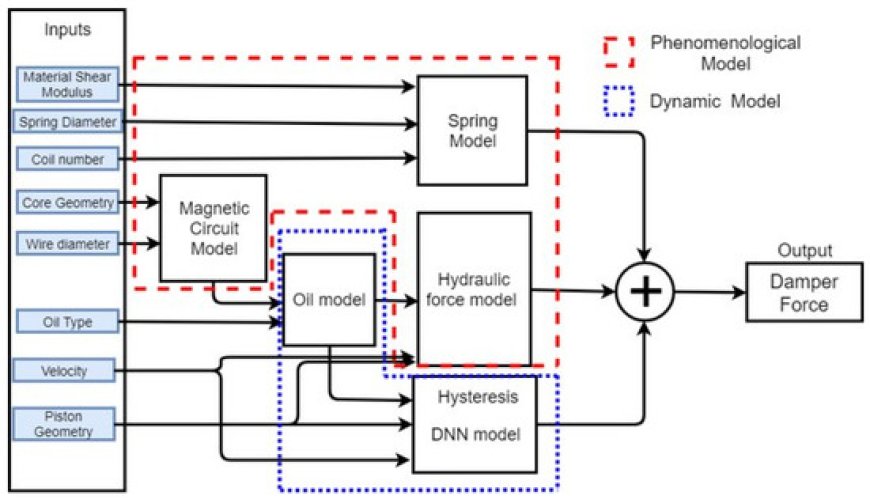
Magneto-rheological dampers (MR-Dampers) are increasingly being used in construction applications to reduce the dynamic response of structures to seismic activities or severe wind loading. Sensors attached to the structure will signal the computer to supply the dampers with an electric charge that transfers the MR fluid to a near-solid material with different physical and mechanical properties (viscoelastic behavior). Control algorithms govern the fluid to near-solid conversion, which controls the behavior of the damper and the performance of the structure under the seismic or wind loading event. The successful optimization of control parameters minimizes the overall structural response to dynamic forces. The main objective of this research is to change the output behavior of specific floors within a building subjected to seismic excitation by optimizing the MR-Damper control parameters to impact the behavior of a specific floor or number of floors within the building. The adjustment of control parameters to attain this objective was validated in multiple case studies throughout this research. The successful implementation of the research outcome will result in optimized MR-damper design to meet the performance-based criteria of building projects.
CivilEng, Vol. 4, Pages 596-617: Adjustment of Tall Building Behavior by Guided Optimization of Magneto-Rheological Damper Control Parameters
CivilEng doi: 10.3390/civileng4020035
Authors: Amin Akhnoukh Ahmed Fady Farid Ahmed M. M. Hasan Youssef F. Rashed
Magneto-rheological dampers (MR-Dampers) are increasingly being used in construction applications to reduce the dynamic response of structures to seismic activities or severe wind loading. Sensors attached to the structure will signal the computer to supply the dampers with an electric charge that transfers the MR fluid to a near-solid material with different physical and mechanical properties (viscoelastic behavior). Control algorithms govern the fluid to near-solid conversion, which controls the behavior of the damper and the performance of the structure under the seismic or wind loading event. The successful optimization of control parameters minimizes the overall structural response to dynamic forces. The main objective of this research is to change the output behavior of specific floors within a building subjected to seismic excitation by optimizing the MR-Damper control parameters to impact the behavior of a specific floor or number of floors within the building. The adjustment of control parameters to attain this objective was validated in multiple case studies throughout this research. The successful implementation of the research outcome will result in optimized MR-damper design to meet the performance-based criteria of building projects.
What's Your Reaction?