AI, Vol. 4, Pages 812-830: A General Machine Learning Model for Assessing Fruit Quality Using Deep Image Features
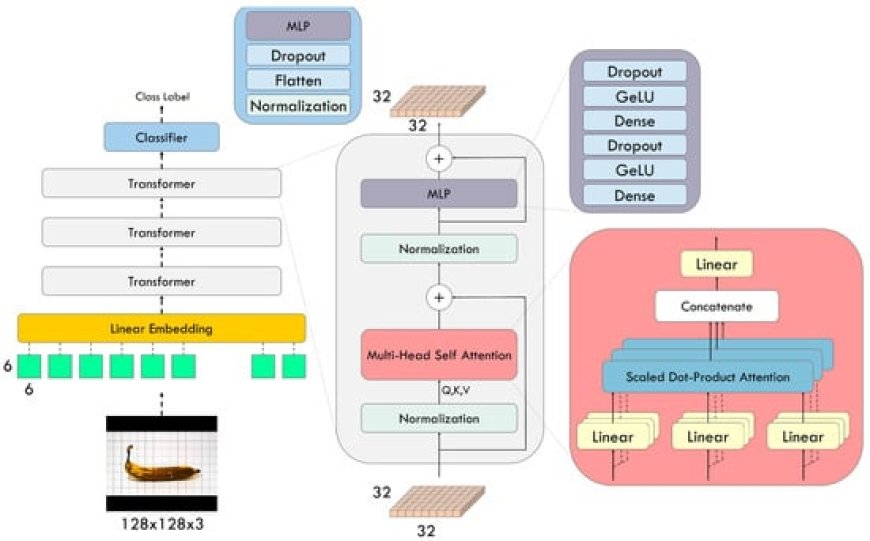
Fruit quality is a critical factor in the produce industry, affecting producers, distributors, consumers, and the economy. High-quality fruits are more appealing, nutritious, and safe, boosting consumer satisfaction and revenue for producers. Artificial intelligence can aid in assessing the quality of fruit using images. This paper presents a general machine learning model for assessing fruit quality using deep image features. This model leverages the learning capabilities of the recent successful networks for image classification called vision transformers (ViT). The ViT model is built and trained with a combination of various fruit datasets and taught to distinguish between good and rotten fruit images based on their visual appearance and not predefined quality attributes. The general model demonstrated impressive results in accurately identifying the quality of various fruits, such as apples (with a 99.50% accuracy), cucumbers (99%), grapes (100%), kakis (99.50%), oranges (99.50%), papayas (98%), peaches (98%), tomatoes (99.50%), and watermelons (98%). However, it showed slightly lower performance in identifying guavas (97%), lemons (97%), limes (97.50%), mangoes (97.50%), pears (97%), and pomegranates (97%).
AI, Vol. 4, Pages 812-830: A General Machine Learning Model for Assessing Fruit Quality Using Deep Image Features
Authors: Ioannis D. Apostolopoulos Mpesi Tzani Sokratis I. Aznaouridis
Fruit quality is a critical factor in the produce industry, affecting producers, distributors, consumers, and the economy. High-quality fruits are more appealing, nutritious, and safe, boosting consumer satisfaction and revenue for producers. Artificial intelligence can aid in assessing the quality of fruit using images. This paper presents a general machine learning model for assessing fruit quality using deep image features. This model leverages the learning capabilities of the recent successful networks for image classification called vision transformers (ViT). The ViT model is built and trained with a combination of various fruit datasets and taught to distinguish between good and rotten fruit images based on their visual appearance and not predefined quality attributes. The general model demonstrated impressive results in accurately identifying the quality of various fruits, such as apples (with a 99.50% accuracy), cucumbers (99%), grapes (100%), kakis (99.50%), oranges (99.50%), papayas (98%), peaches (98%), tomatoes (99.50%), and watermelons (98%). However, it showed slightly lower performance in identifying guavas (97%), lemons (97%), limes (97.50%), mangoes (97.50%), pears (97%), and pomegranates (97%).
What's Your Reaction?