





















Earthquake Ethiopia
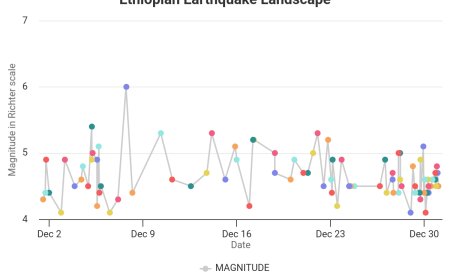
Ethiopia, located within the tectonically active East African Rift System, frequently experiences seismic activity. This geological setting makes the country prone to earthquakes and volcanic activity, drawing the attention of scientists, residents, and policymakers alike.
Recent Earthquake Activity in Ethiopia
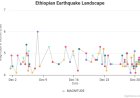
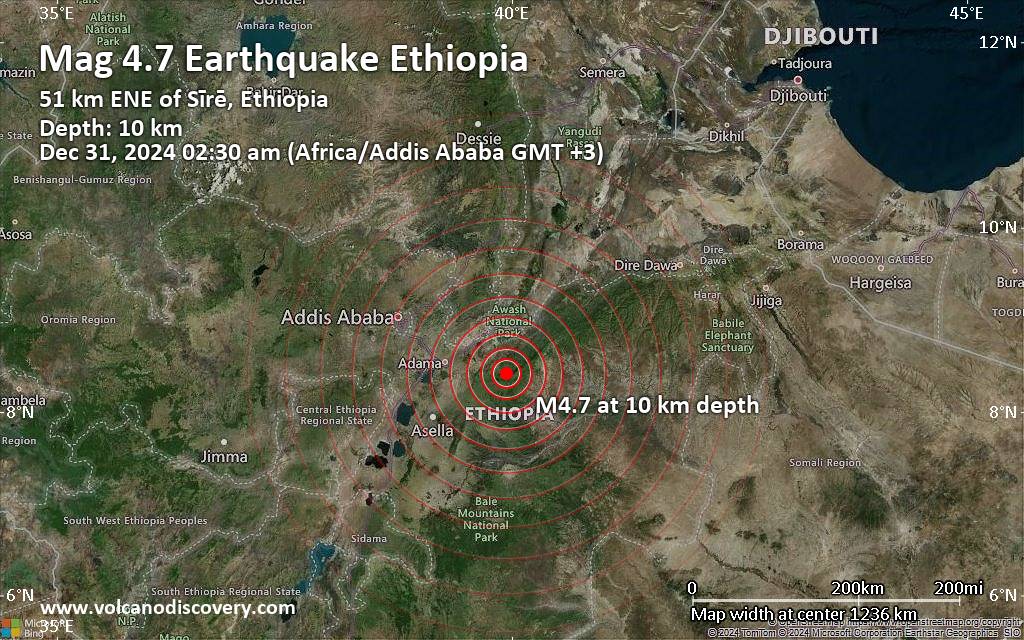
1. December 31, 2024
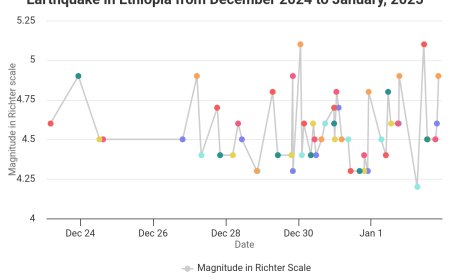
A magnitude 4.7 earthquake struck near Nazrét (Adama), approximately 76 km east of the city. The quake occurred at a shallow depth of 10 km, shaking the area but causing minimal damage.
2. December 30, 2024
The Awash Fentale area experienced a magnitude 5.1 earthquake that was felt as far away as Addis Ababa. This event is part of a series of tremors occurring in the area, raising concerns about potential volcanic activity near Fentale Volcano.
Historical Earthquakes in Ethiopia
1961 Seismic Crisis
Between May and September 1961, Ethiopia experienced over 3,500 shocks. Two major earthquakes during this period caused extensive damage, highlighting the country's vulnerability to seismic events.
1989 Afar Earthquake Swarm
The Afar Triple Junction witnessed a swarm of earthquakes, including 25 with magnitudes greater than 4.0. This event emphasized the tectonic activity of the region and the complex nature of the rift system.

How Earthquakes Are Monitored in Ethiopia
Ethiopia operates a seismic monitoring network managed by the Institute of Geophysics, Space Science, and Astronomy (IGSSA) at Addis Ababa University. This network consists of several seismograph stations strategically placed to detect and analyze seismic activity across the country.
Some of the key stations include:
- AAE (Addis Ababa)
- FURI (Mount Furi)
- Dessie (DESE)
- Harar (HARA)
- Semera (SEME)
- Dilla (DILA)
- Arba Minch (ARBA)
These stations play a vital role in tracking earthquakes and providing early warnings to minimize damage and protect lives.
Staying Safe During Earthquakes
As seismic activity continues to shape Ethiopia's landscape, it is crucial for residents and visitors to be prepared. Here are some essential tips:
-
Earthquakes can strike without warning, and staying prepared is key to ensuring your safety. Here are some detailed steps on what to do before, during, and after an earthquake to stay as safe as possible:
Before an Earthquake: Preparation is Key
-
Create an Emergency Plan:
- Plan escape routes from your home and designate a safe meeting spot outside.
- Ensure everyone knows how to turn off gas, water, and electricity if needed.
- Practice earthquake drills with family members regularly.
-
Secure Your Home:
- Anchor heavy furniture (e.g., bookshelves, cabinets) to walls to prevent them from falling.
- Store heavy items on lower shelves and away from doorways or exits.
- Ensure that windows and glass doors are shatterproof or protected with safety film.
-
Prepare an Emergency Kit:
- Keep a kit with essentials such as water, non-perishable food, medications, first aid supplies, a flashlight, batteries, and a portable phone charger.
- Don’t forget important documents and a whistle for signaling.
-
Identify Safe Spaces:
- Know the safest spots in your home—under sturdy furniture (tables or desks) or against interior walls away from windows.
- Avoid areas near windows, mirrors, or heavy objects that could fall.
During an Earthquake: Taking Immediate Action
-
Drop, Cover, and Hold On:
- Drop to your hands and knees to prevent being knocked over.
- Cover your head and neck with your arms or take cover under sturdy furniture to protect yourself from falling debris.
- Hold On to the furniture you’re under to keep it in place and protect yourself from being trapped.
-
If You’re Indoors:
- Stay inside! Don’t attempt to leave during the shaking.
- Move away from windows, glass doors, and exterior walls. Don’t use elevators.
- Stay under cover until the shaking stops and it’s safe to move.
-
If You’re Outdoors:
- Move away from buildings, trees, utility wires, and anything that could fall.
- Find an open area and drop to the ground to avoid being knocked over.
-
If You’re in a Vehicle:
- Pull over to a safe area away from bridges, overpasses, trees, and power lines.
- Keep your seatbelt on and remain inside the vehicle until the shaking stops.
-
Ethiopia's seismic landscape is dynamic, and staying informed is essential for safety and preparedness. For real-time updates on earthquake activity in Ethiopia, visit https://africastat.com. landing page.

Have questions about earthquakes in Ethiopia? Let us know in the comments below!
What's Your Reaction?