

Boo ker
( Joined 1 year ago )
Books by Boo ker
138 Books found- Featured
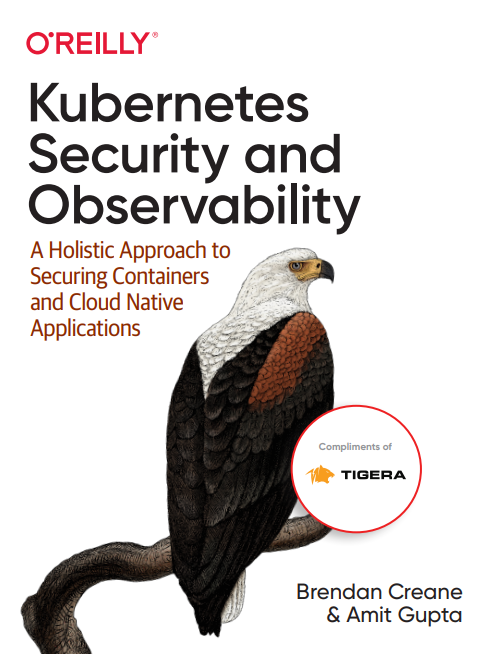
Kubernetes Security and Observability
Authors: Author
In Science
By Boo ker
A Holistic Approach to Securing Containers and Cloud Native Applications
- Featured
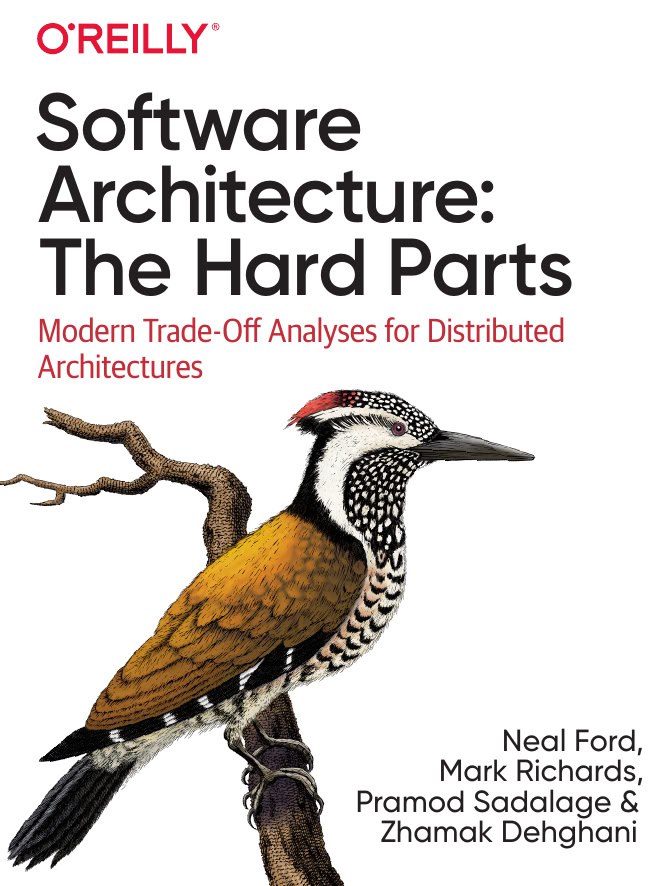
Software Architecture: The Hard Parts
Authors: Author
In Science
By Boo ker
There are no easy decisions in software architecture. Instead, there are many hard parts-difficult problems or issues with no best practices-that force you to choose among various compromises. With this book, you'll learn how to think critically about the trade-offs involved with distributed architectures.
- Featured
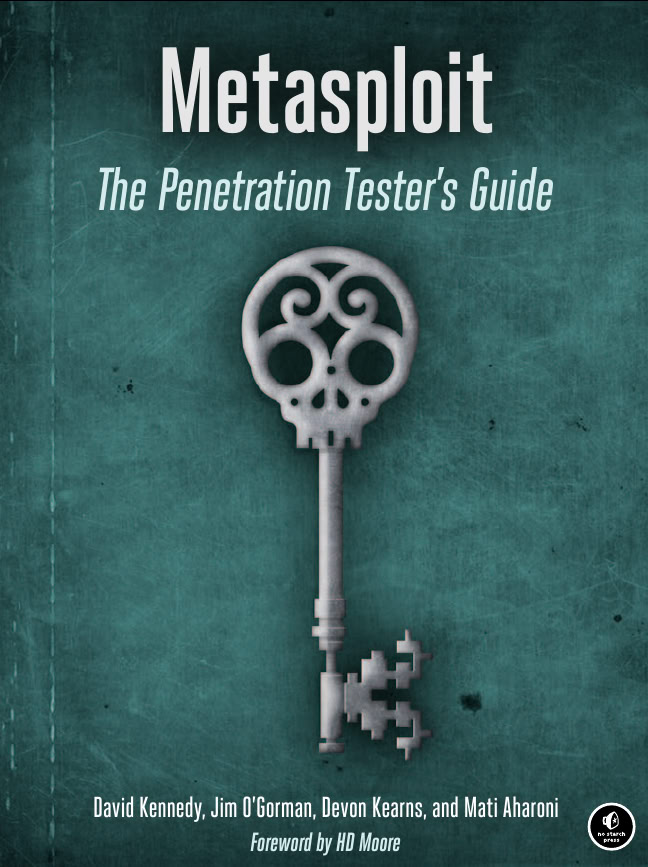
Metasploit
Authors: Author
In Security
By Boo ker
This book is designed to teach you the ins and outs of Metasploit and how to use the Framework to its fullest. Our coverage is selective—we won’t cover every single flag or exploit—but we give you the foundation you’ll need to understand and use Metasploit now and in future versions.
- Featured
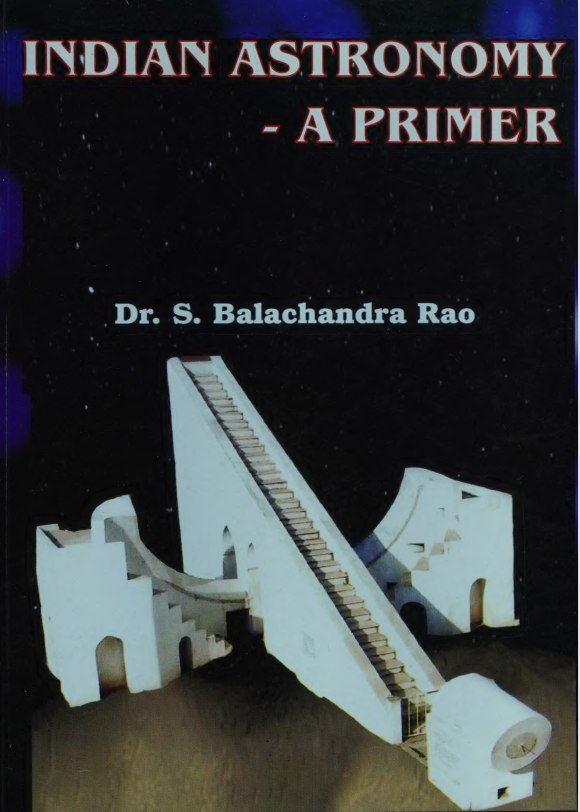
INDIAN ASTRONOMY - A PRIMER
Authors: Author
In Science
By Boo ker
The present book on Indian Astronomy is designed mainly for students and the interested readers to create an awareness about Indian Astronomy among them. For those who are inspired to acquire proficiency in the concepts, technicalities and computational procedures developed by the great Indian mathematicians and astronomers, the books recommended are listed at the end of the book.
- Featured
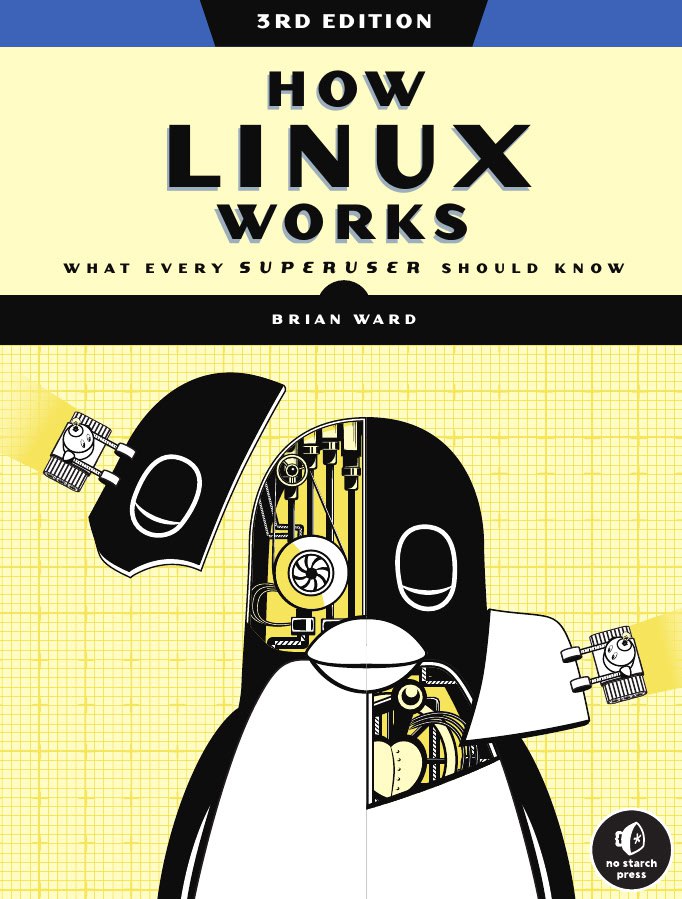
HOW L I N U X WORKS
Authors: Author
By Boo ker
The most effective way to understand how an operating system works is through abstraction—a fancy way of saying that you can ignore most of the details that make up a piece that you’re trying to understand, and concentrate instead on its basic purpose and operation. For example, when you ride in a car, you normally don’t need to think about details such as the mounting bolts that hold the motor inside the car or the people who build and maintain the road upon which the car drives. All you really need to know is what the car does (transports you somewhere else) and a few basics about how to use it (how to operate the door and seat belt).
- Featured

Anyone Can Code: Algorithmic Thinking
Authors: Author
By Boo ker
While I introduced Algorithmic Thinking in the first Anyone Can Code book, I had to spend the main bulk of the book discussing the craft of programming, how to use programming languages, and organize a program. The examples I discussed often had simple algorithms, although some were quite complex due to the many modules they had. The goal was to show how complex programs can be designed using a collection of simple modules. I found it too ambitious of a goal to also delve into details of algorithmic thinking and how to design good (and complex) algorithms. That goal became the inspiration to write the second book in the Anyone Can Code series: Algorithmic Thinking.

The Rules of Programming HOW TO WRITE BETTER CODE
Authors: Author
By Boo ker
The Rules of Programming combines great guidance for beginners with subtle lessons that may teach even the experts. Zimmerman keeps it fun, too— proving that it’s possible to be both entertaining and instructive.
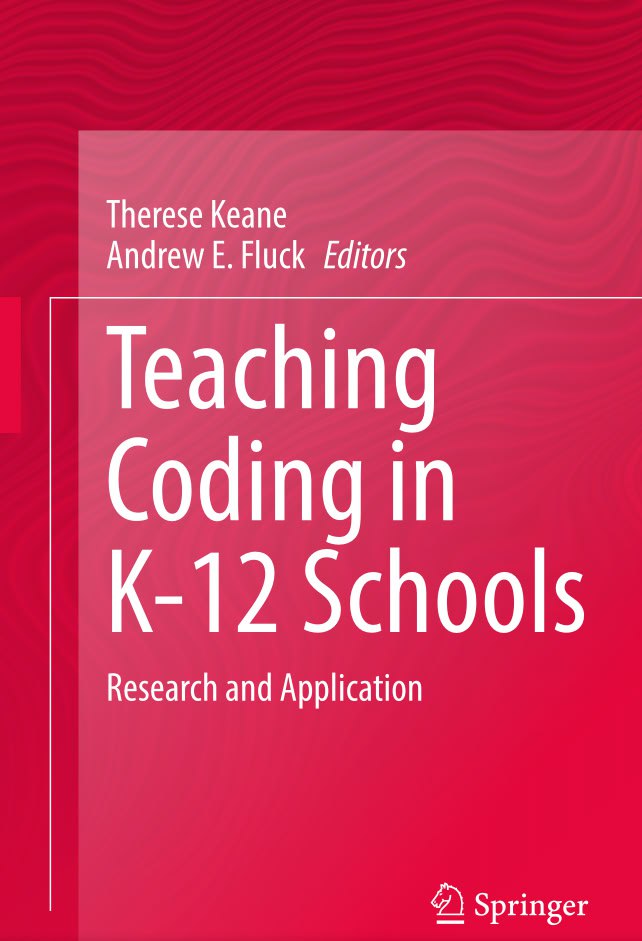
Teaching Coding in K-12 Schools
Authors: Author
By Boo ker
The computers introduced into schools, colleges and universities from the 1980s and 1990s were very different from the computers that we see in those institutions today. One could ask – is this important? In this regard, certainly there are points worth considering. If computers are not new to education, and have been in educational institutions for more than 30 or 40 years, are educators now familiar with the functionality and application of computers for teaching and learning? If computers offer different functionalities and applications from those 30 or 40 years ago, does this mean that educators have kept pace with the changes? If computers are now more widely accessible than they were 30 or 40 years ago, does increased accessibility mean that there is greater familiarity with the potential that computers now offer in education? Researchers continue to discuss these questions, but the picture indicates that ‘yes’ is not always the simple answer to those three questions.
- Featured

Information and Coding Theory in Computer Science
Authors: Author
By Boo ker
This book contains information obtained from highly regarded resources. Reprinted material sources are indicated. Copyright for individual articles remains with the authors as indicated and published under Creative Commons License. A Wide variety of references are listed. Reasonable efforts have been made to publish reliable data and views articulated in the chapters are those of the individual contributors, and not necessarily those of the editors or publishers. Editors or publishers are not responsible for the accuracy of the information in the published chapters or consequences of their use. The publisher assumes no responsibility for any damage or grievance to the persons or property arising out of the use of any materials, instructions, methods or thoughts in the book. The editors and the publisher have attempted to trace the copyright holders of all material reproduced in this publication and apologize to copyright holders if permission has not been obtained. If any copyright holder has not been acknowledged, please write to us so we may rectify.