
Books
142 Books found
THE BUDDHIST MURALS OF PAGAN
Authors: Author
In Religion
By Boo ker
When the rising sun cast nine and a half foot-steps of shadow on Monday, 16 December 1236, the hollow-pagoda was enshrined. It was finished after twenty-eight days... On the walls of the hollow-pagoda were painted 14.619 Buddhas and scenes from 550 Jatakas. The painting starting on Friday, 7 March 1237 and completed on Monday...
- Featured
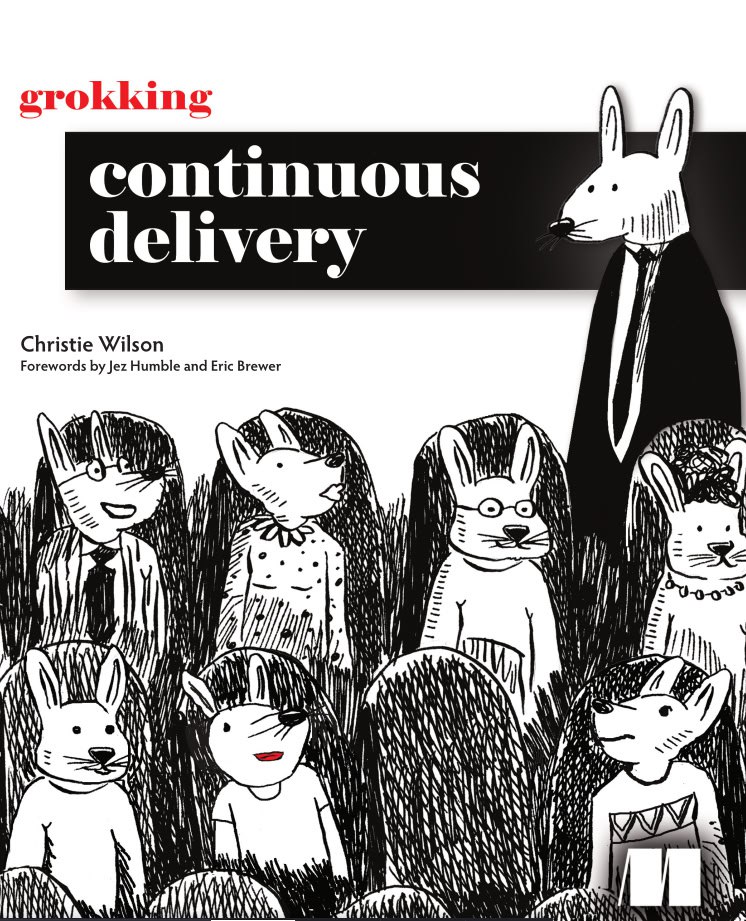
grokking continuous delivery
Authors: Author
In Business
By Boo ker
This book is intended to be the missing manual of how to get started with continuous delivery and apply it effectively: by covering the individual practices that make up continuous delivery and teaching you the building blocks you’ll need in order to create the automation that supports these practices. This is the kind of knowledge you’d have to gather on your own after several years of hard-earned experience. Hopefully, this book will give you a shortcut so you don’t have to learn it all the hard way!
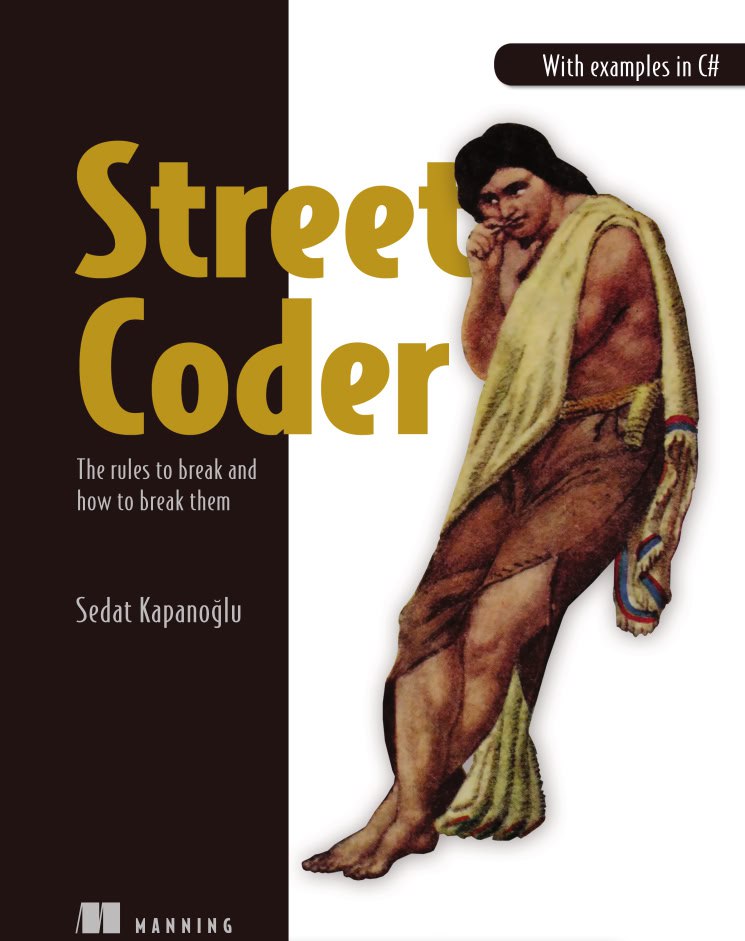
Street Coder THE RULES TO BREAK AND HOW TO BREAK THEM
Authors: Author
By Boo ker
Street Coder fills in the gaps of the professional experience of a software developer by tackling well-known paradigms, showing anti-patterns, and seemingly bad or lessknown practices that can be useful in the streets—the professional world. The goal of the book is to equip you with a questioning and practical mindset and to help you understand that the cost of creating software is more than just Googling and typing. It also shows that some mundane work can help you save more time than it takes. In general, the book aims to be a perspective changer.
- Featured

Beginner's Guide to Code Algorithms
Authors: Author
By Boo ker
People talk about AI, VR, AR, etc. these days. Each term has a deep scientific meaning and sociopolitical connotation for the user of these words and the people they are directed to. It is simply amazing to see how loosely these terms are used and interpreted today. For example, the A in the AI stands for artificial. While people generally understand that AI is artificial intelligence, I have come across a variety of ways that people perceive “artificial”. Is it the capability of a machine to figure out a problem? Or is it an ability for a device to do a task? The fact is neither—AI is a computer science term intended to mean the ability of machines to develop “intelligence” much the same way as humans—the capability to “learn”
- Featured
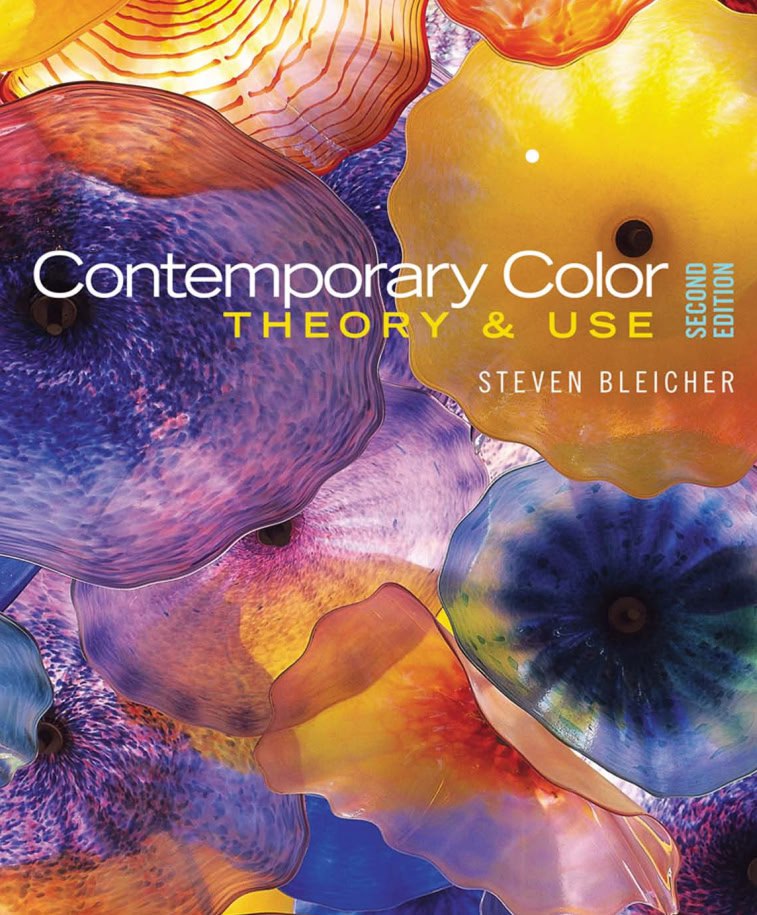
Contemporary Color Theory & Use
Authors: Author
In Science
By Boo ker
Contemporary Color: Theory & Use, Second Edition, has been developed and designed to teach the effective use of color across the areas of art and design. The text covers in detail fundamental studio elements along with a historical perspective to give the reader a deeper insight and understanding. The book has been designed with the awareness that artists and designers are visual learners. T
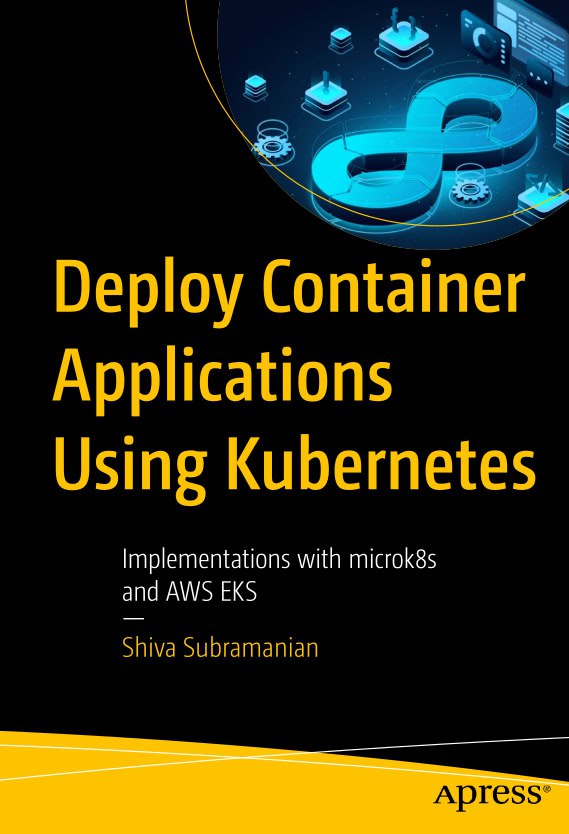
Deploy Container Applications Using Kubernetes
Authors: Author
By Boo ker
Google launches several billion containers per week into Google Cloud. Mercedes-Benz runs nearly 1000 Kubernetes clusters with 6000+ Kubernetes nodes. Datadog runs tens of clusters with 10,000+ nodes and 100,000+ pods across multiple cloud providers. The world’s leading companies are switching fast to Kubernetes clusters as a means to deploy their applications at scale. Kubernetes is a technology enabler and a valuable skill to gain.
- Featured

Information and Coding Theory in Computer Science
Authors: Author
By Boo ker
This book contains information obtained from highly regarded resources. Reprinted material sources are indicated. Copyright for individual articles remains with the authors as indicated and published under Creative Commons License. A Wide variety of references are listed. Reasonable efforts have been made to publish reliable data and views articulated in the chapters are those of the individual contributors, and not necessarily those of the editors or publishers. Editors or publishers are not responsible for the accuracy of the information in the published chapters or consequences of their use. The publisher assumes no responsibility for any damage or grievance to the persons or property arising out of the use of any materials, instructions, methods or thoughts in the book. The editors and the publisher have attempted to trace the copyright holders of all material reproduced in this publication and apologize to copyright holders if permission has not been obtained. If any copyright holder has not been acknowledged, please write to us so we may rectify.
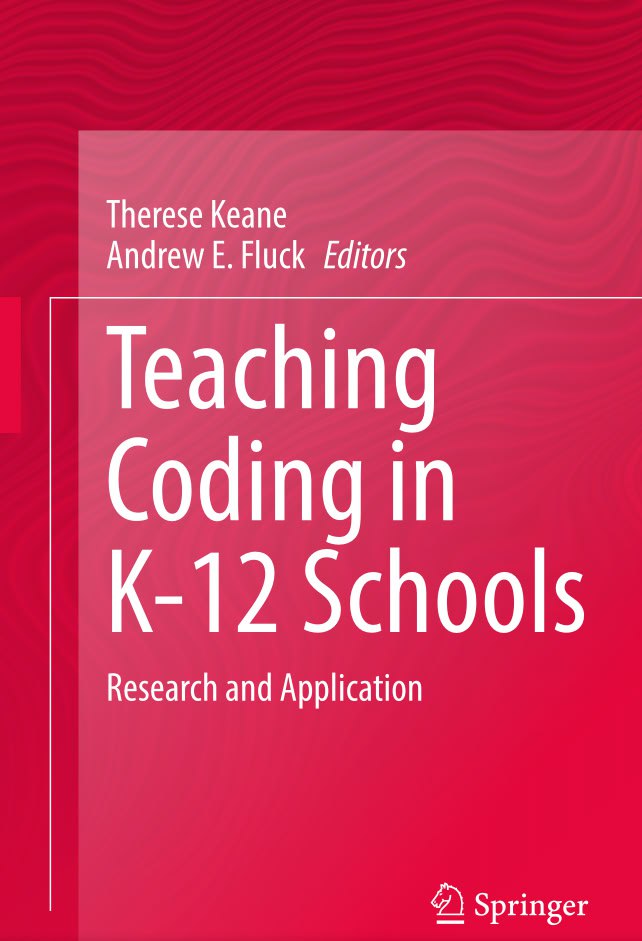
Teaching Coding in K-12 Schools
Authors: Author
By Boo ker
The computers introduced into schools, colleges and universities from the 1980s and 1990s were very different from the computers that we see in those institutions today. One could ask – is this important? In this regard, certainly there are points worth considering. If computers are not new to education, and have been in educational institutions for more than 30 or 40 years, are educators now familiar with the functionality and application of computers for teaching and learning? If computers offer different functionalities and applications from those 30 or 40 years ago, does this mean that educators have kept pace with the changes? If computers are now more widely accessible than they were 30 or 40 years ago, does increased accessibility mean that there is greater familiarity with the potential that computers now offer in education? Researchers continue to discuss these questions, but the picture indicates that ‘yes’ is not always the simple answer to those three questions.